Turning Haryana’s sun into a manufacturing advantage
How a 700 kWp rooftop solar PPA in Haryana is helping Uniproducts reduce electricity costs and avoid over 650 tonnes of CO₂ every year.
Introduction
Uniproducts is an automotive components manufacturer in Haryana, where energy-intensive production makes electricity costs a key part of the operating equation.
Automotive component manufacturing relies on electricity at almost every stage of production. CNC machines, presses, compressors, welding systems, and other equipment can run for long hours every day.
But putting solar on a factory is not always as simple as putting panels on the roof. Businesses must consider the upfront investment, system performance, maintenance, and the operational risk of owning another asset.
A Power Purchase Agreement allowed Uniproducts to use the solar energy its facility needed without having to own or operate the solar plant itself.
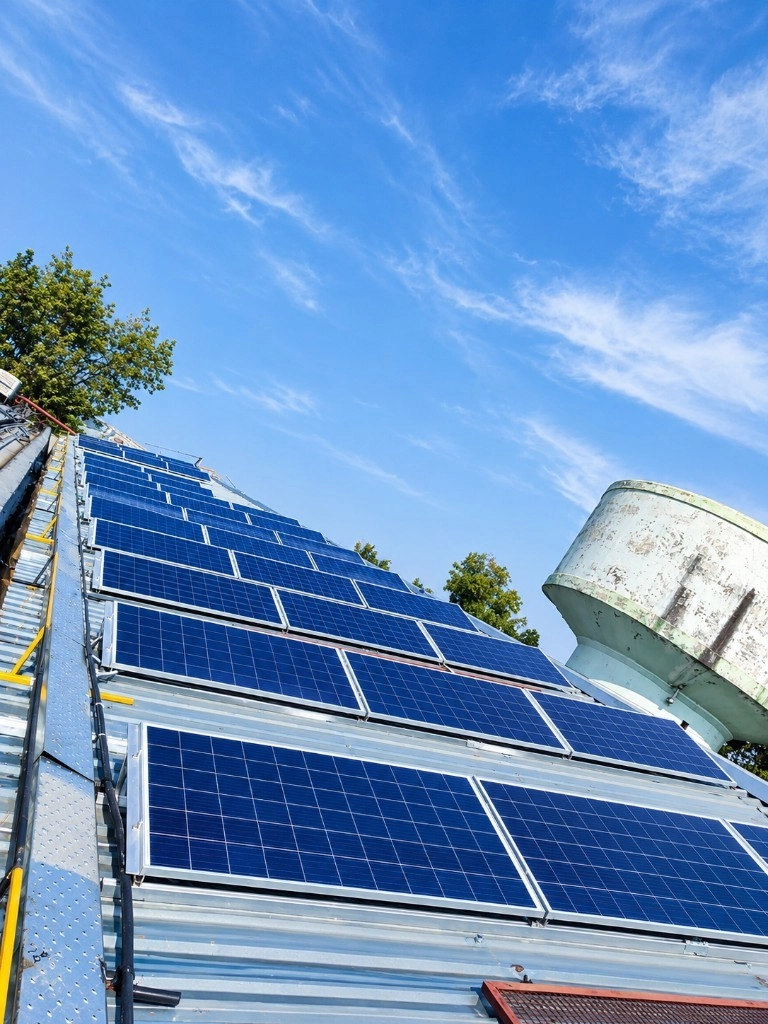
Today, its 700 kWp rooftop solar system is expected to generate around 900,000 kWh of clean electricity every year.
Candi Solar helped make that possible.
The Challenge
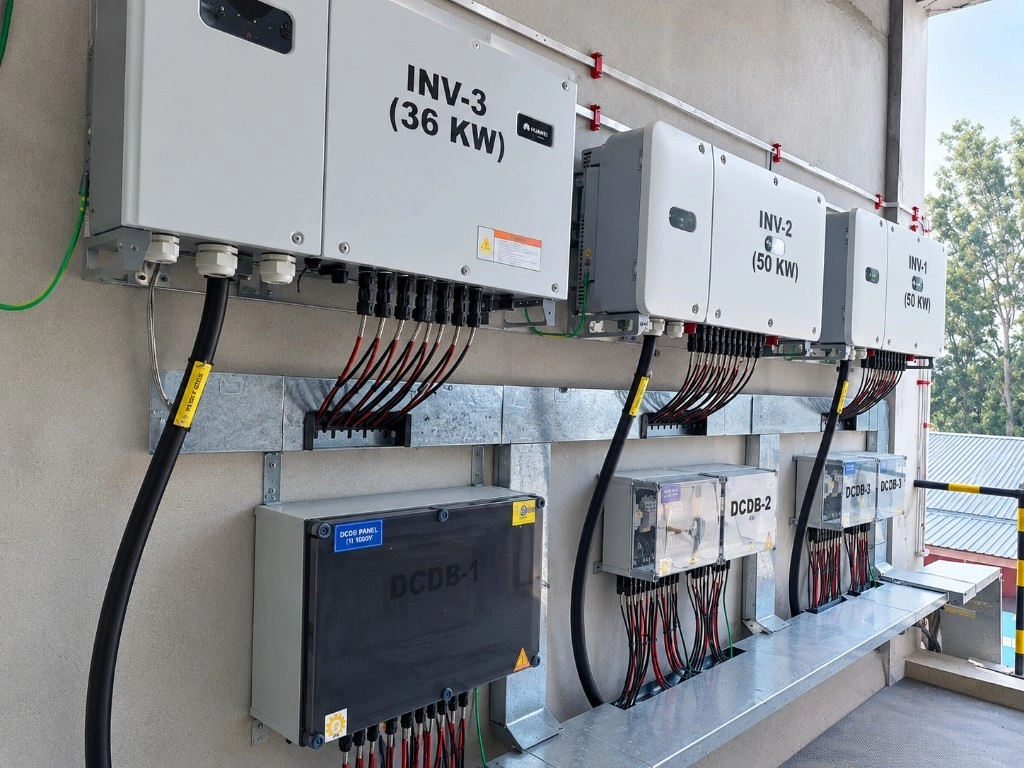
For Uniproducts, electricity is a critical input to its manufacturing operations.
A large portion of its energy demand comes during the day, when production of automotive components is in full swing.
Relying entirely on grid power meant continuing to pay higher electricity tariffs while leaving its rooftop space unused.
The company also wanted to reduce its carbon emissions and make progress towards its sustainability goals.
The challenge was finding a way to achieve all three without taking on the cost and complexity of managing a solar asset itself.
The Solution
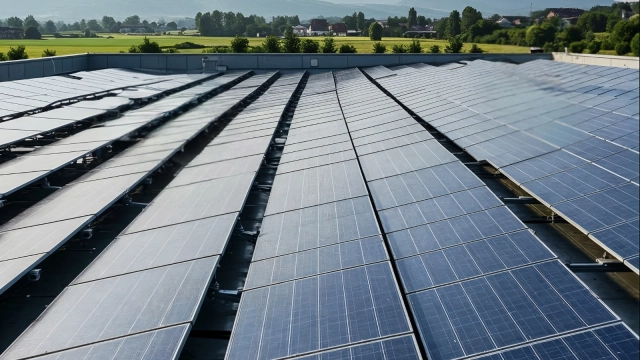
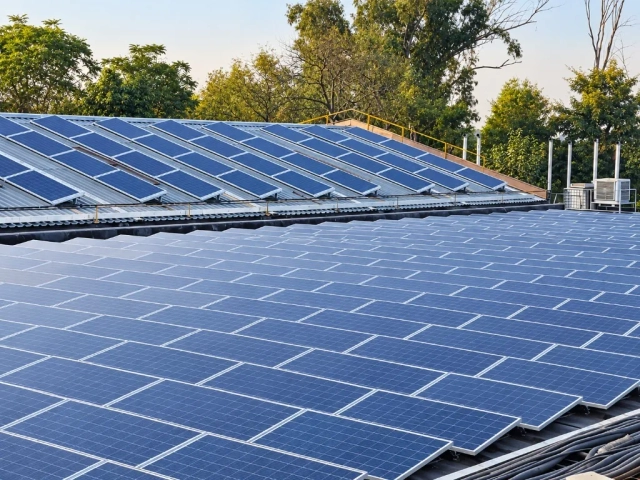
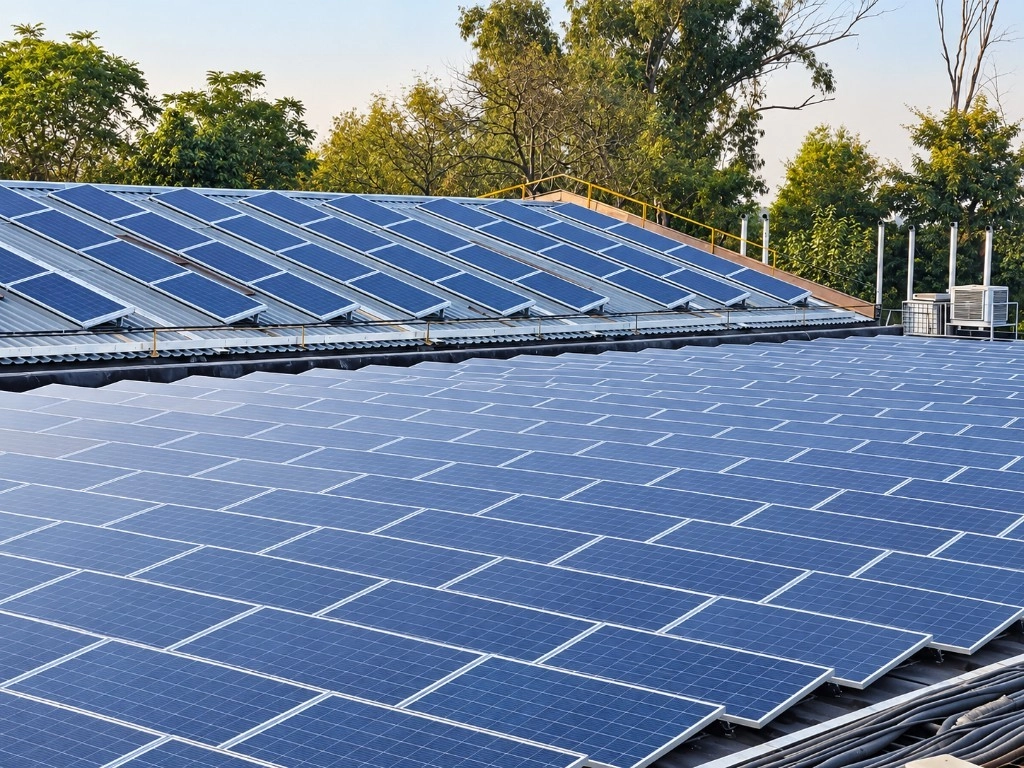
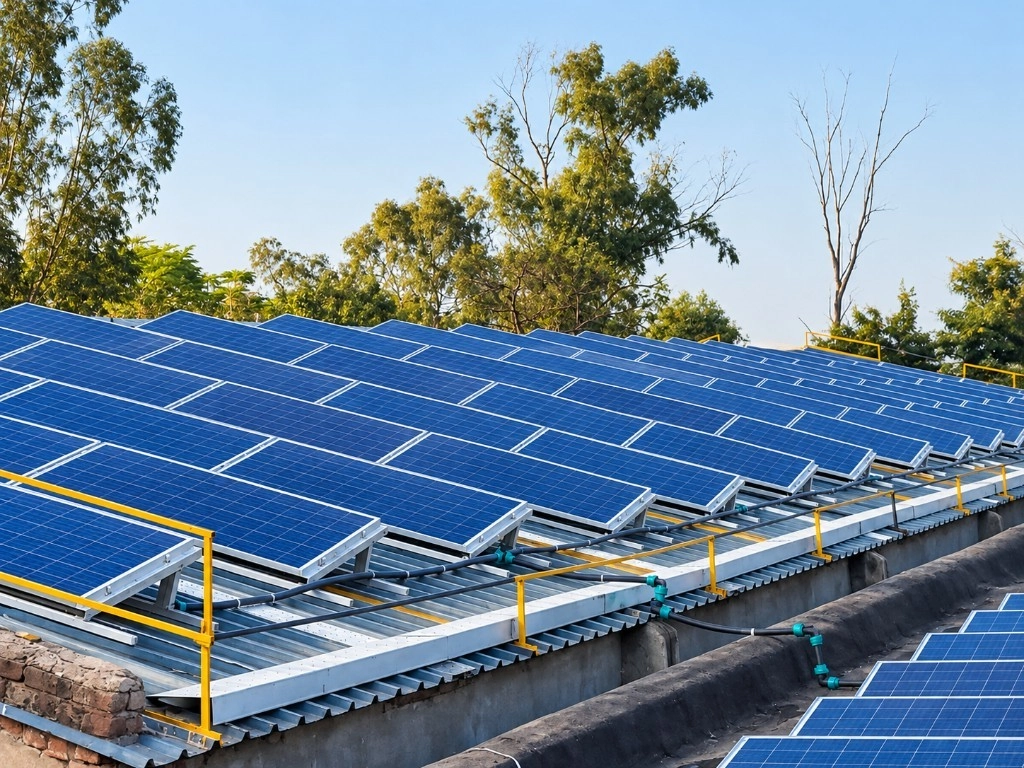
Candi Solar designed and delivered a 700 kWp rooftop solar installation through a Power Purchase Agreement (PPA).
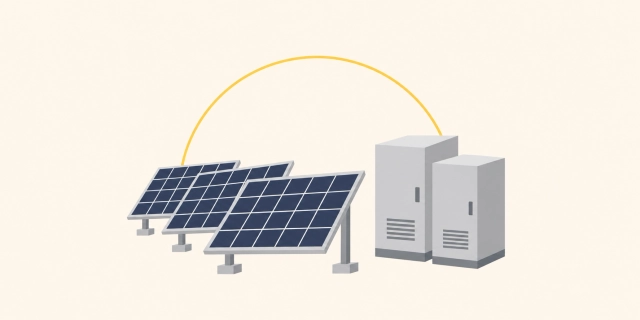
Under the PPA, Candi owns the solar asset and takes responsibility for its performance, operation, and maintenance. Uniproducts pays for the solar electricity it uses, rather than investing upfront in the system.
Candi Solar handled the engineering, procurement, installation, testing, and commissioning of the plant, along with ongoing remote monitoring and preventive maintenance.
This means Uniproducts focuses on manufacturing, while Candi takes care of the energy asset powering its operations.
The Impact
Lower electricity costs
The solar system is expected to generate approximately 900,000 kWh of clean electricity every year.
With solar electricity priced much lower than the conventional grid tariff,
The project is expected to save Uniproducts around ₹10.8 lakh every year.
That means lower energy costs without compromising the power needed to keep production moving.
A smaller carbon footprint
650
tonnes of CO₂ emissions every year,
The benefits extend beyond the electricity bill.
The system is expected to avoid approximately 650 tonnes of CO₂ emissions every year, helping Uniproducts reduce its environmental impact while continuing to meet its energy needs.
Turning unused space into productive energy
The project also puts previously unused rooftop space to work.
Instead of simply being part of the factory infrastructure, the rooftop now contributes directly to the energy powering the business.
Energy that works for the business
For an automotive components manufacturer, energy is part of the production equation.
By moving a portion of its electricity demand to solar, Uniproducts is reducing the cost of that energy while making its operations more sustainable.
The result is a solar solution built around the way the business actually operates: lower-cost energy, cleaner power and one less operational responsibility for the manufacturing team.
Powering a more sustainable planet, one business at a time.
Next step
Want results like these?
Tell us about your site and we will show you what your existing or planned solar could deliver with candi.