Seasonal Dips Are Normal. Underperformance Is Not.
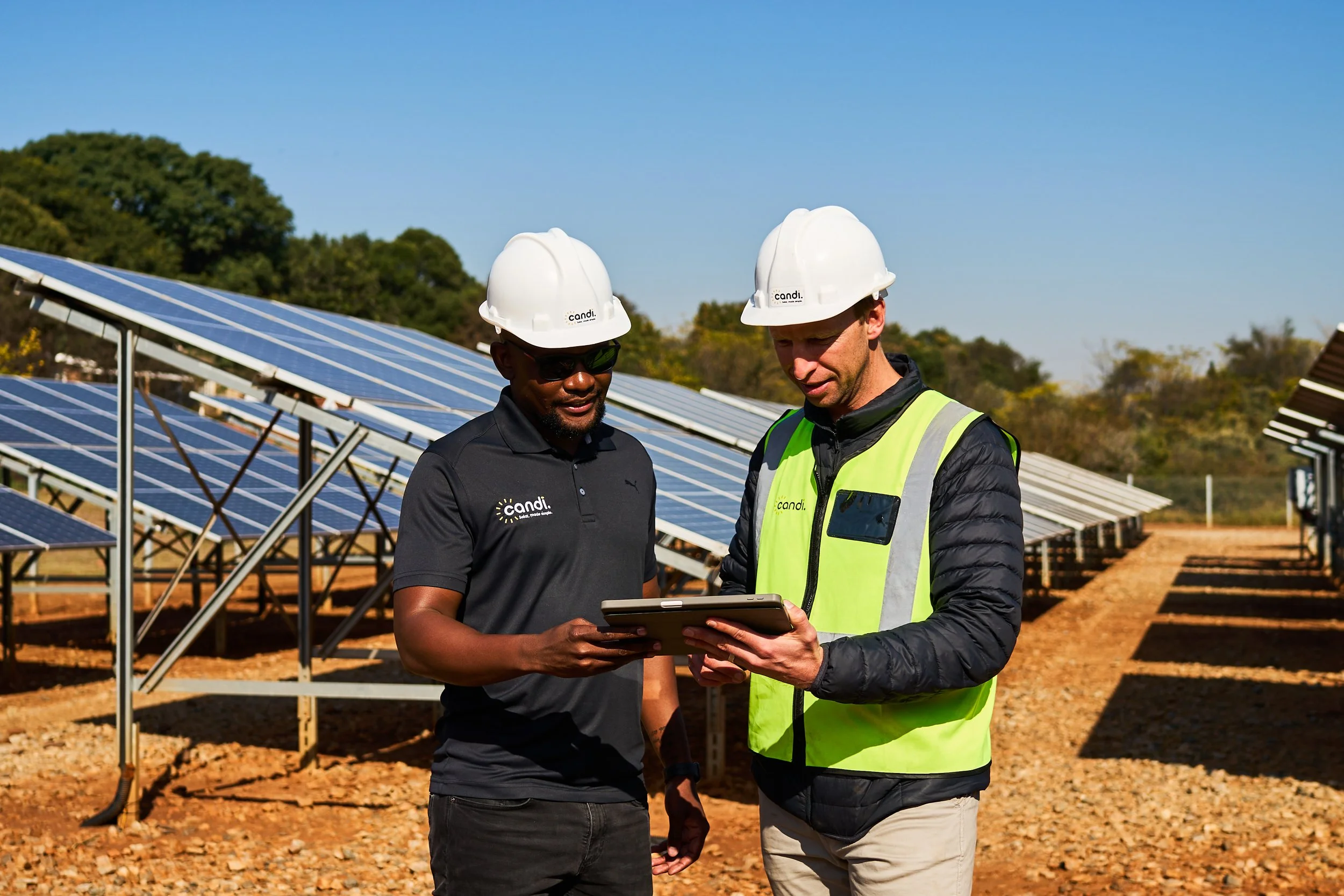
Thaine Sasman and Siyabonga Gumede reviewing solar performance on-site.
Your solar system will generate less in winter. That’s by design. But if it’s falling short of what the models predicted, that’s a different problem entirely.
For commercial and industrial businesses across South Africa, solar PV has moved well beyond a sustainability checkbox. It is a critical infrastructure installed to hedge against an unreliable grid, cut operating costs, and bring long-term energy stability. Which makes it all the more surprising how many operators stop paying close attention once the panels go up.
First, the Basics: Why Winter Output is Lower
During the South African summer, most regions see 12 to 14 hours of daylight. In winter, that drops to around 8-10. Fewer daylight hours mean lower irradiance, and lower irradiance means less generation. This is entirely normal, and any well-designed system will have accounted for it in the original yield assessment.
Regional weather patterns layer on top of that. The Western Cape, for instance, sees shorter days and increased cloud cover and rainfall in winter, which means the Cape Town area can see PV output fall by roughly 50 to 70% between peak and off-peak seasons. Again: expected, modelled, normal.
The concern is not the seasonal dip. The concern is when actual output falls below what the seasonal model predicted.
Hidden Performance Killers: Summer Edition
Winter gets most of the attention when it comes to the lower generation. But summer introduces its own set of risks, and they are less intuitive.
Heat-related derating. Solar panels are tested at 25°C. Above that, efficiency declines. Inverters face a similar constraint: most commercial units begin to derate above 40 to 45°C thermally. When that happens, the system automatically reduces output to protect itself, meaning your generation falls even when the sun is at full strength. Prolonged overheating can damage equipment and void warranties.
Soiling, dust, industrial fallout, coastal humidity, bird droppings: all of it gradually blocks sunlight from reaching the panel surface. Rain helps, but storms can leave behind debris and organic material. In dry regions, soiling can have a meaningful impact on yield between cleaning cycles.
Some South African regions have seen measurable reductions in solar irradiance compared to long-term historical norms. Without accounting for this, operators may misread lower generation as a system fault or worse, miss a genuine fault because the numbers still look about right.
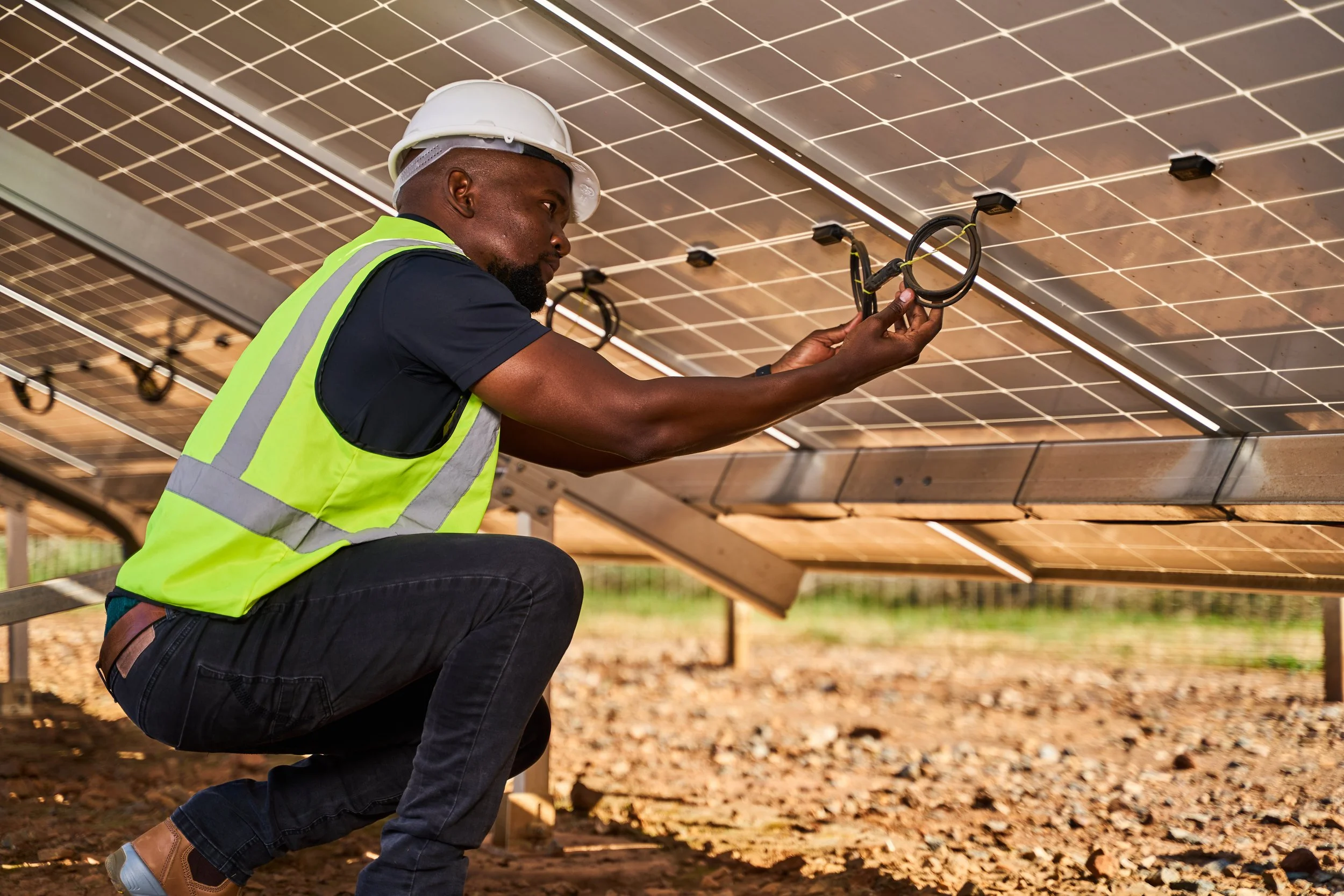
Siyabonga Gumede assessing the hidden performance killers.
The Real Problem: You Can't Manage What You Can't See
Here is the pattern we see repeatedly: a system is installed, generation looks reasonable for a while, and the business assumes everything is fine. It is only months, sometimes years later that someone runs the numbers properly and realises the plant has been underperforming the whole time.
The issue is not usually data availability. Most monitoring systems generate plenty of numbers. The issue is understanding what those numbers mean in context and knowing when a dip is seasonal versus when it is a sign of a real problem.
“If you don't understand how your plant should perform across seasonal fluctuations and you don't adjust for changes in irradiance or account for different categories of downtime, you cannot distinguish between expected fluctuations and true system underperformance.
Benchmarking actual output against yield assessments, while factoring in weather deviations and downtime causes, allows operators to detect performance gaps early and prevent cumulative energy losses.”
-Thaine Sasman, Asset Management Lead, Candi Solar
Benchmarking actual output against yield assessments while factoring in weather deviations and downtime causes is what allows you to catch performance gaps early, before they compound into significant cumulative losses.
Performance Monitoring as Financial Risk Management
Every percentage point of underperformance reduces projected savings and extends payback periods. For a commercial or industrial business running a meaningful load, that is not abstract, it is money left on the table.
Best-practice asset management typically includes:
Remote monitoring that flags deviations from expected performance in real time
Seasonal benchmarking against the original yield assessment
Physical inspections two to three times per year, including inverter diagnostics, cabling, and structural components
Site-specific cleaning regimes based on location, tilt, soiling rates, and environmental exposure
Proactive health and safety management for rooftop installations
The goal is to move from reactive maintenance of fixing things after they break, to a model where small deviations are caught early, addressed quickly, and never allowed to become sustained losses.
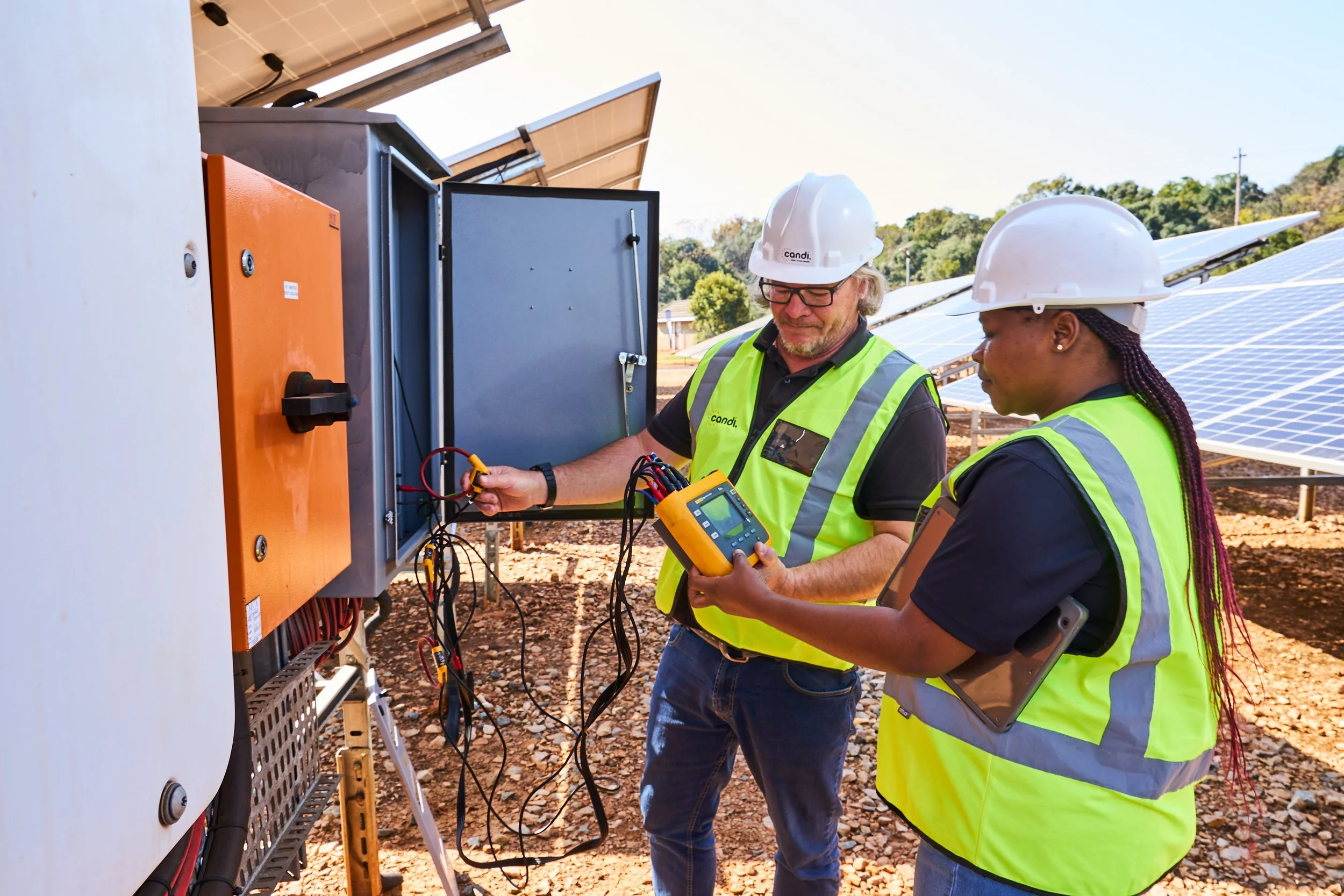
Bruce Venter & Lulama Mabaso monitoring solar performance.
Solar Protect+: Performance Guarantees Built on Real Operating Data
We built Solar Protect+ to solve this exact problem: the gap between expected performance and what systems actually deliver.
It brings everything under one roof: real-time monitoring, data analysis, engineering support, maintenance, and repairs, all for a fixed annual cost. So instead of juggling multiple vendors or reacting to issues late, everything is proactively managed in one place.
What makes it different is the accountability.
Performance guarantees aren’t based on generic assumptions. They’re based on how your system has actually performed in the past. That means the benchmark is realistic and often higher than what the system is currently delivering.
If your system falls short of that agreed level, Candi Solar compensates you for the lost energy. So your expected savings stay intact, and you’re not left covering the gap when performance drops.
The Bottom Line
As commercial solar portfolios mature across South Africa, the question has shifted. It is no longer whether a plant can generate under ideal conditions; it is whether it can sustain expected output under real-world conditions, season after season, year after year.
Seasonal fluctuation is inevitable. Sustained underperformance does not have to be. The difference comes down to visibility, benchmarking, and the discipline to act on what the data is telling you.
Not sure if your system is performing as expected? We can help you assess it and benchmark actual output against expected performance.
Contact: info@candi.solar
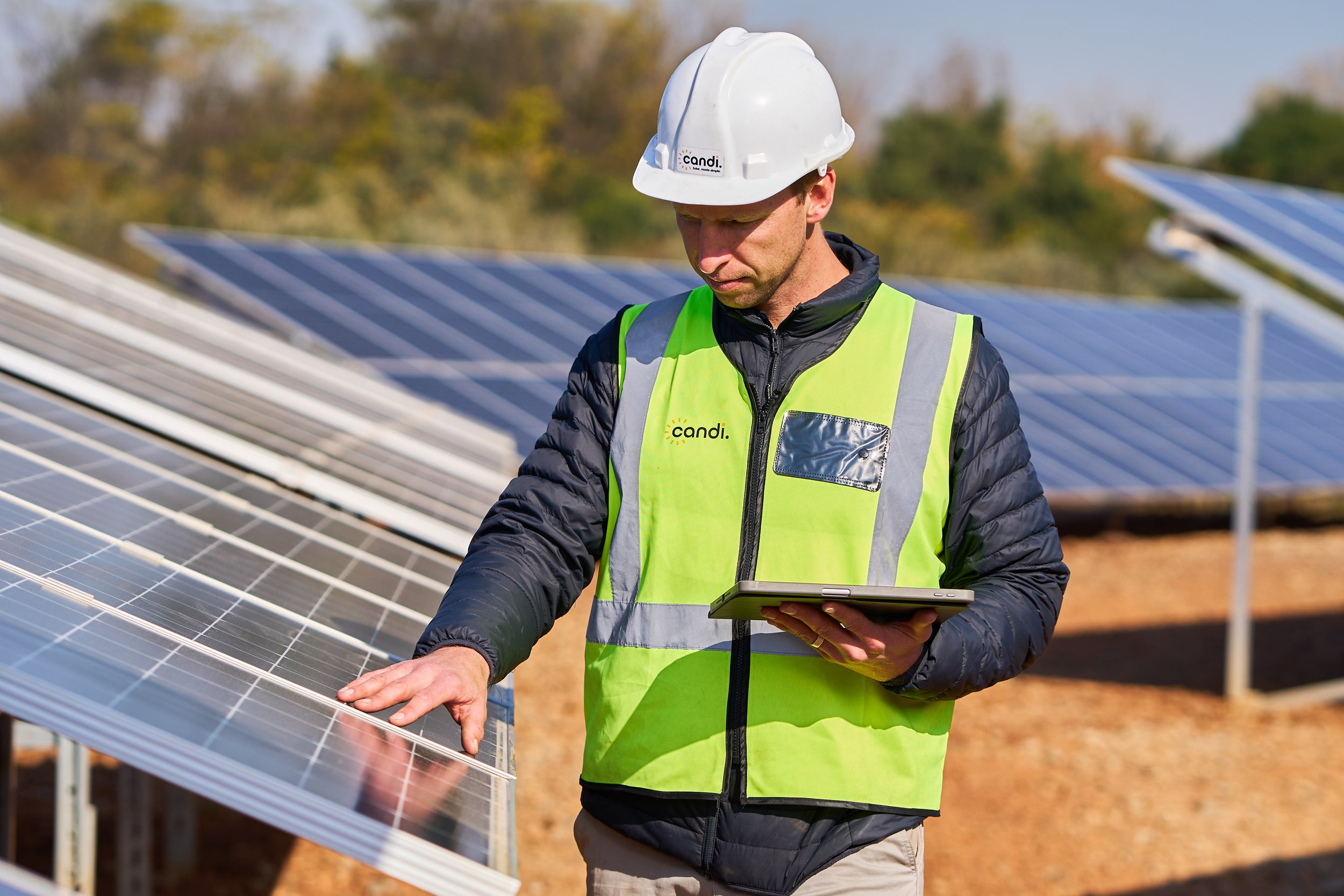
Thaine Sasman reading between the lines to make sure the system’s health is up to mark.