Your Diesel Generator Has Expensive Taste
Diesel prices in South Africa jumped 34.5% in a single month, turning backup generators into one of the most expensive ways to make electricity. Here's how pairing solar with battery storage turns backup power into an everyday cost-saving strategy.
If your business relies on diesel generators to keep operations running, you're probably feeling the impact of rising fuel costs.
For years, generators have been the reliable backup. When load shedding hit or the grid went down, they kept production moving, protected cold storage and prevented costly downtime.
They still do.
The problem? Keeping them running is becoming increasingly expensive.
In South Africa, diesel prices increased by 34.5% during one of the sharpest monthly rises seen this century. For many businesses, that has transformed generators from an emergency backup into one of the most expensive ways to generate electricity.
So, how much is diesel dependency really costing your business?
Probably more than the fuel receipt suggests.
The real cost of running a diesel generator
It is easy to look at the price at the pump and assume that is the cost of running a generator.
But that's only one part of the equation.
Once you factor in servicing, maintenance, fuel logistics and equipment depreciation, generating electricity using diesel can cost anywhere between R8.50 and R11.00 per kWh.
For a medium-sized industrial facility operating a generator for just 40 hours a month, that can add up to R100,000 to R180,000 in monthly costs.
As Annika di Bona, Senior Project Development Engineer at Candi Solar, explains:
“Relying on the grid and generators alone is no longer viable for businesses focused on cost savings, operational resilience, ROI and long-term competitiveness.”
— Annika di Bona, Senior Project Development Engineer, Candi Solar
What was once an emergency backup solution is quickly becoming one of the biggest expenses on your electricity bill.
Is there a smarter way to reduce your energy costs?
For many businesses, the answer is yes.
Instead of relying on diesel every time the grid goes down, more companies are combining their existing solar system with a Battery Energy Storage System (BESS).
If you've always thought battery storage was only there to provide backup power, you're not alone.
But today's battery systems do much more than keep the lights on.
They help you decide when and how you use electricity, giving you greater control over your energy costs every day.
With a Battery Energy Storage System, you can store that energy during the day and use it later when your business needs it most.
Instead of being a daytime-only investment, your solar system continues delivering value long after the sun goes down.
What is energy arbitrage and why should you care?
One of the biggest financial benefits of battery storage is energy arbitrage.
It sounds complicated. It isn't.
In simple terms, it's buying or generating electricity when it's cheap and using it when electricity becomes expensive.
For businesses on Time-of-Use tariffs, this can make a significant difference.
Batteries can charge using lower-cost electricity, or surplus solar generation during off-peak periods and discharge during expensive peak tariff windows.
This leads to lower electricity costs without changing daily operations.
Batteries can also reduce demand charges
If you're a commercial or industrial electricity user, your bill isn't just based on how much electricity you consume.
It's also influenced by Maximum Demand charges - fees based on the highest level of power your facility draws at any one time.
Even a short spike in electricity demand can increase your monthly bill. Battery storage helps solve this through peak shaving.
When demand spikes, the battery instantly supplies stored electricity instead of drawing additional power from the grid. This reduces your peak demand and helps lower costly demand charges.
For many businesses, this becomes another valuable source of savings alongside solar generation.
Already have solar? You may not need to start again.
One of the most common questions we hear is:
“Do I need to replace my existing solar system to add battery storage?”
In many cases, the answer is no.
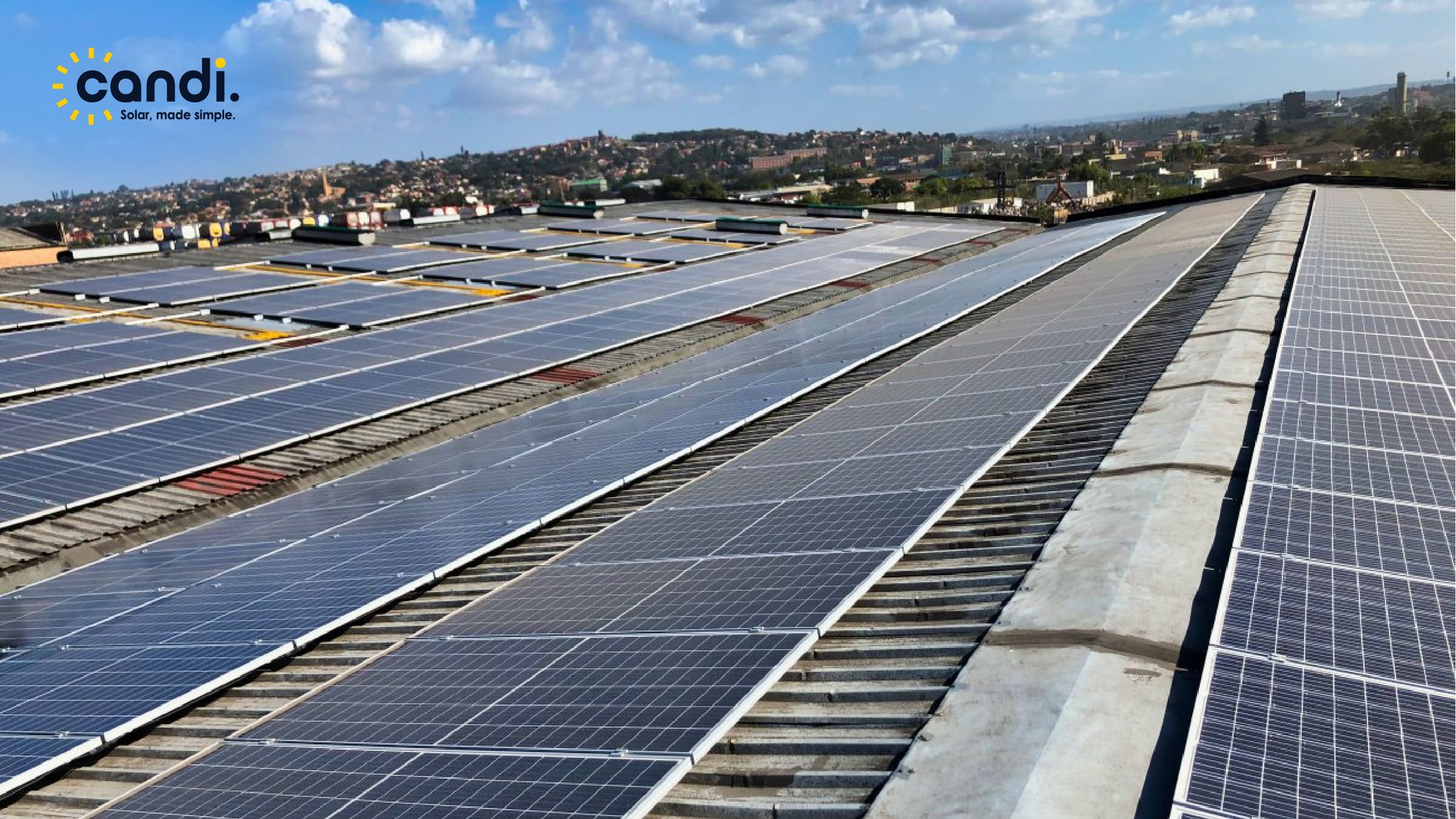
Modern Battery Energy Storage Systems can often be integrated with existing grid-connected solar installations.
That means you can increase the value of the solar investment you've already made without rebuilding your system from scratch.
What about the upfront cost?
Historically, the upfront investment required for battery storage was one of the biggest barriers to adoption.
That is changing rapidly.
Today, flexible financing structures - including Power Purchase Agreements, leases, and performance-based payment models - can allow businesses to adopt battery storage without committing significant capital upfront.
Rather than purchasing infrastructure outright, businesses can preserve cash flow while benefiting from lower operating costs and improved energy resilience.
From energy backup to energy strategy
The role of battery storage has changed. It's no longer just about keeping your business running during an outage.
It's about reducing diesel dependence, lowering electricity costs, making better use of your existing solar system and improving the long-term return on your energy investment.
In other words, batteries are moving from emergency backup to everyday energy strategy.
At Candi Solar, we help businesses design, finance, build and operate integrated solar and battery solutions that maximise the value of every kilowatt-hour generated.
Because your backup plan should protect your operations - not quietly drain your budget.
If you're looking for a smarter way to manage energy costs, we're here to help you find the solution that's right for your business.
Thinking about solar for your business?
Get a free, tailored assessment of what solar could save you — with zero upfront cost and performance risk carried by us.
Book a free consultation