Innovative Solutions at Aditek, India
Project Background
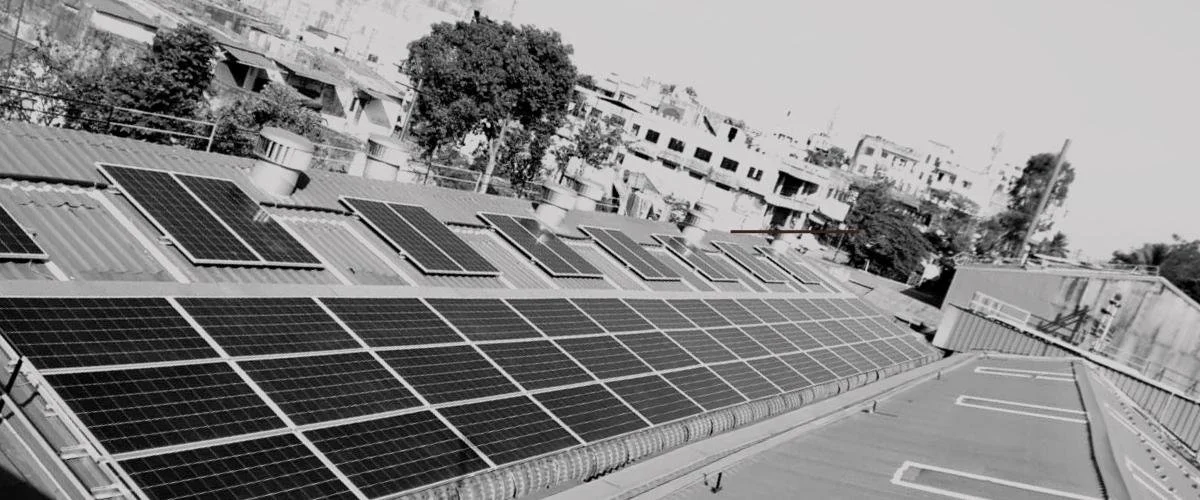
Aditek is a manufacturer based in Kolhapur MH, India. Working in an industry with high power usage, a solar solution offers compelling benefits, from reduced operating costs to greater energy independence. Going solar also makes a significant positive impact on a business’ environmental impact, enhancing its sustainability credibility in a relatively easy and straightforward way. With all this in mind, candi initially consulted with the client to understand their specific requirements, and installed a 158kWp solar plant for the business. After some time, however, an issue started to emerge. The system was not performing as well as expected and Aditek wasn’t seeing the full benefit and candi's engineers went in to find the best way to optimise it.
The Issue
The candi team found that the manufacturing process was causing a layer of sticky dust to settle on the solar panels, reducing their generation capacity. The expected solution would be to regularly wash the panels manually, but the consumption of water and labour resources made this a non-viable option over the long term. Clearly, another approach was required – one which was both cost-effective and resource-efficient over time. According to Rana Pratap Singh, who is responsible for optimising the performance of candi’s Indian portfolio, “Ultimately what we want is to maximise generation so the client can get the best benefit. We want to find a way to make a small investment result in a bigger ROI.”
The Solution
The candi approach to solving this challenge was two-fold. To start with, the panels were given a chemical clean to completely remove all the residue that had accumulated over time. After considering a range of options, the engineers opted to use a solution from the cement industry, carefully diluted to the right pH to thoroughly clean the surface without damaging the modules.
With this completed, the objective was then to find a way to keep the panels cleaner for longer, maximising generation and cost-savings. There was no precedent for a solution of this nature, so the candi team had to come up with one themselves. After some experimentation, the engineers found a hydrophobic coating which could be applied to the module surface, preventing contaminants from settling and becoming stuck in the first place. This was applied to the panels, and the plant was put back into action.
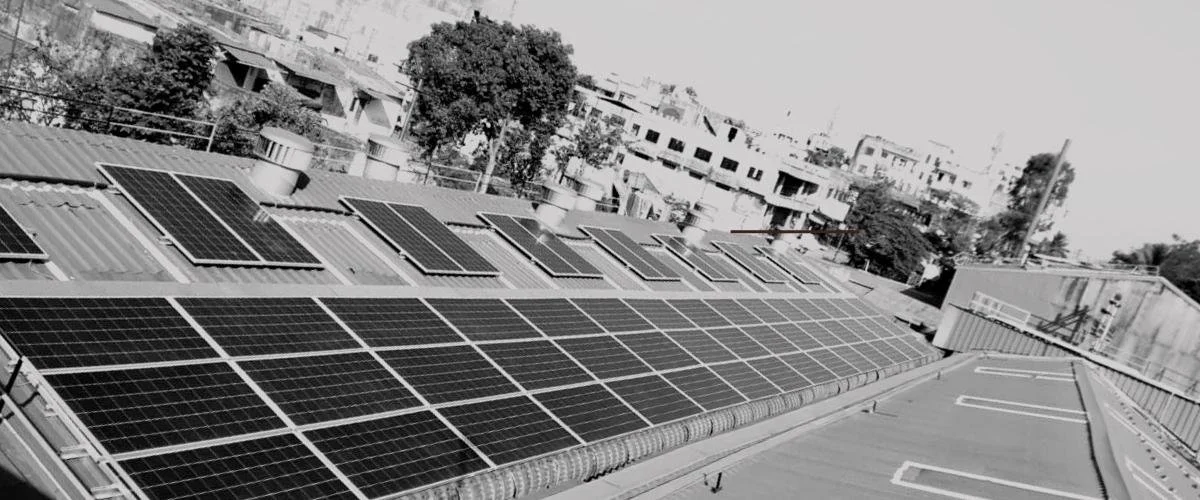
Aditek, Kolhapur MH, India.
The challenge
Lower electricity costs
In 2025 alone, the system delivered:
R622,159
in electricity savings
1.4 GWH
of clean energy generated

1,800 TONNES
of CO₂ emissions avoided
The result is not only a more resilient operation, but a more cost-efficient and sustainable one too
One Successful Phase Deserves Another
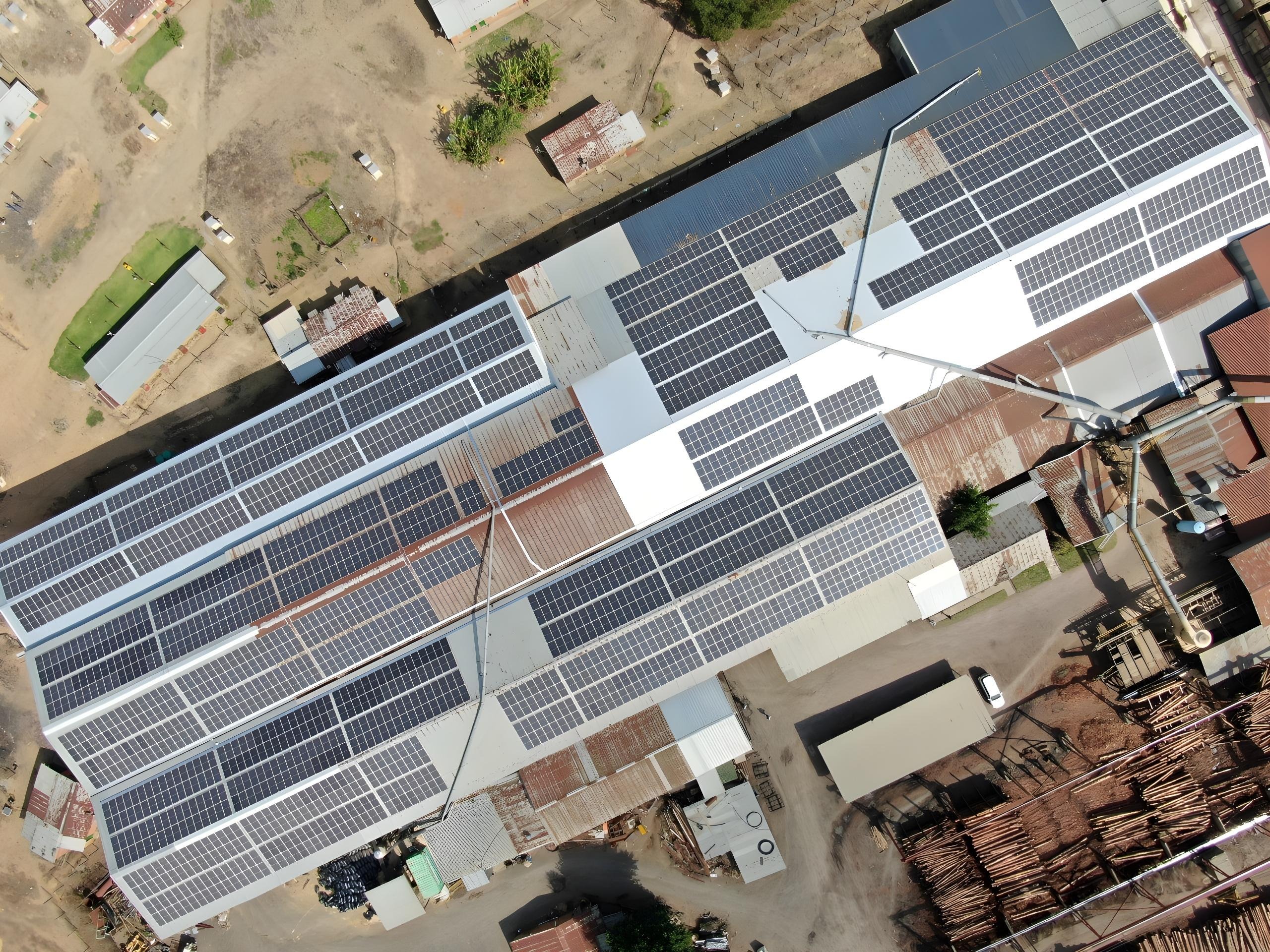
The performance of the first phase gave Bracken Timbers the confidence to go further.
Following its success, the company approved an additional 540 kWp expansion. Once complete, the expanded system is expected to increase annual electricity savings to approximately R1.1 million, while covering even more of the sawmill's daytime energy needs.
Every time the power went out, production slowed. Delivery schedules became harder to maintain, customer commitments came under pressure, and the disruption extended far beyond the factory floor - to suppliers, customers and the company's 1,500-strong workforce.
The team explored generating electricity using its own wood waste, including sawdust and bark. While it was technically possible, building, operating and maintaining an energy plant would require specialist expertise outside its core business.
Bracken Timbers knew what it needed: a reliable energy solution and an experienced partner to make it happen.
The solution
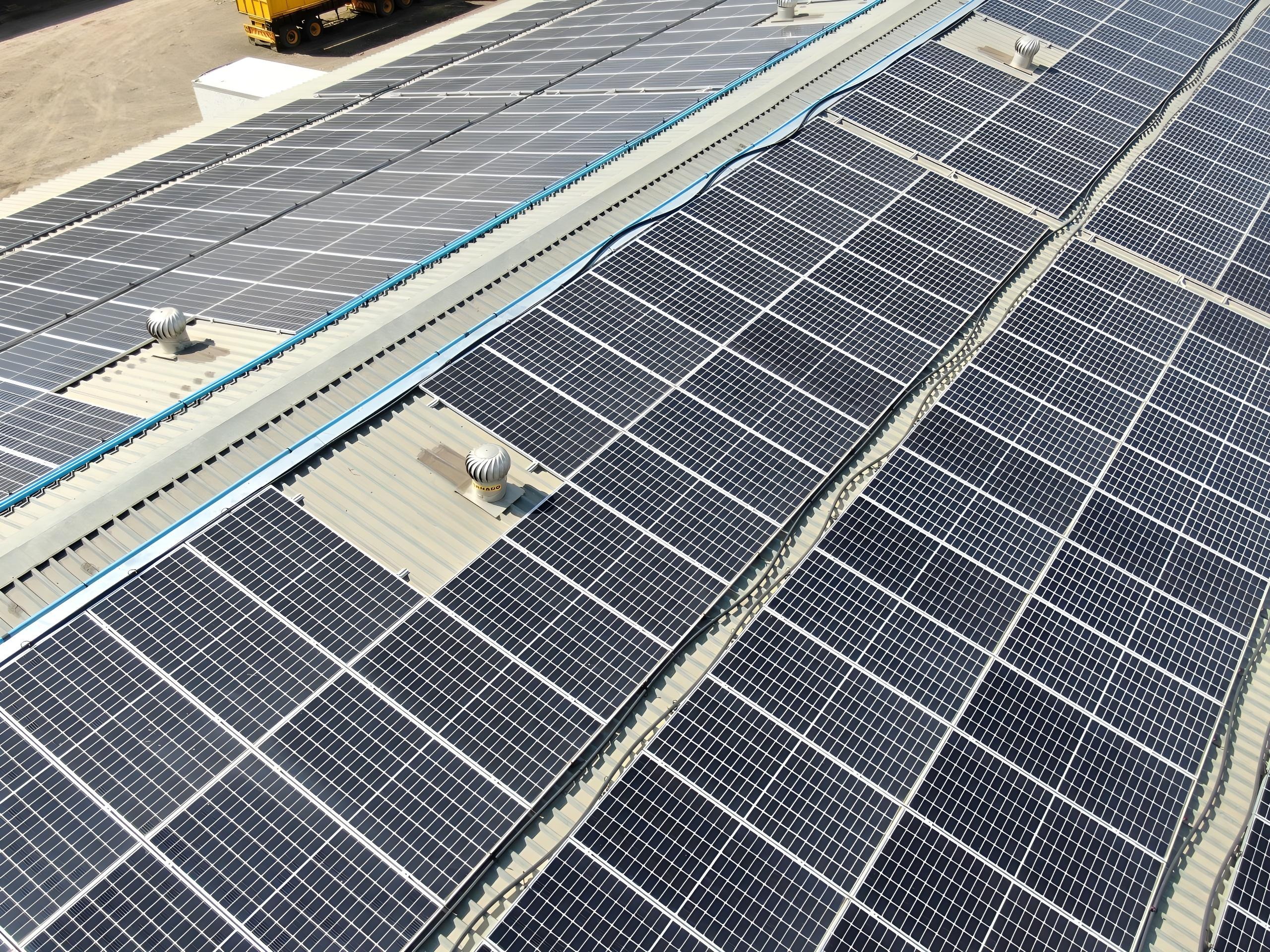
Candi Solar designed and financed a 1.5 MWp solar installation through its Performance-Linked Instalment Sale (PLIS) model.
In simple terms, Bracken Timbers did not need to make a heavy upfront investment or take on the operational risk of managing a solar plant.
Instead, the business pays for the energy the system generates, while Candi takes responsibility for its performance, maintenance and long-term optimisation.
That means the Bracken Timbers team can remain focused on what it does best: producing quality structural timber - while its solar system gets on with producing reliable, more affordable energy.
The impact
Production Keeps Moving
The solar system was integrated with Bracken Timbers' existing backup generators, helping the sawmill continue operating for full nine-hour shifts during load shedding.
So, while grid interruptions continue to bring production to a halt for many manufacturers, Bracken Timbers can keep its mill running, stay on schedule and continue fulfilling customer orders.
Most importantly, this increased energy stability helps protect consistent employment for more than 1,500 people.
“
The partnership has delivered exactly what was promised. As the solar system operates over time, the financial and operational benefits will only continue to grow.
George Johnson,
Director, Sawmill & Charcoal,
Bracken Timbers
Thinking about solar for your business?
Get a free, tailored assessment of what solar could save you — with zero upfront cost and performance risk carried by us.
Book a free consultation
.jpg)
.jpg)