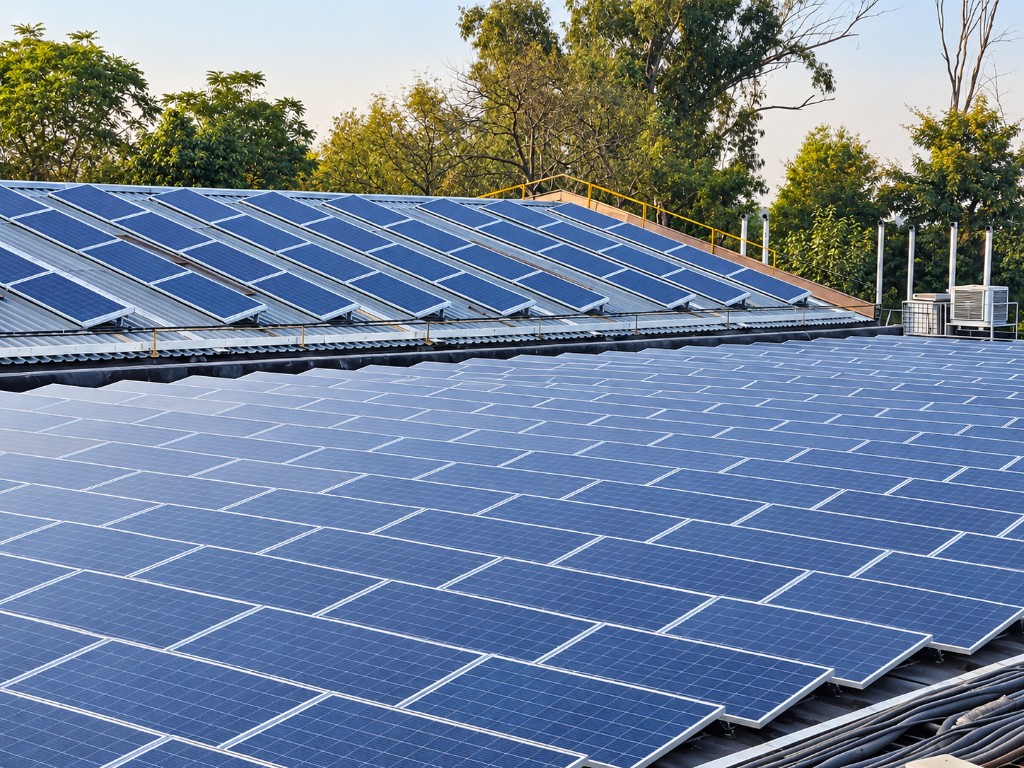
For Indian Businesses, the Real Solar Challenge Isn’t Cost - It’s Risk.
By Nishant Sood, Managing Director, Candi Solar
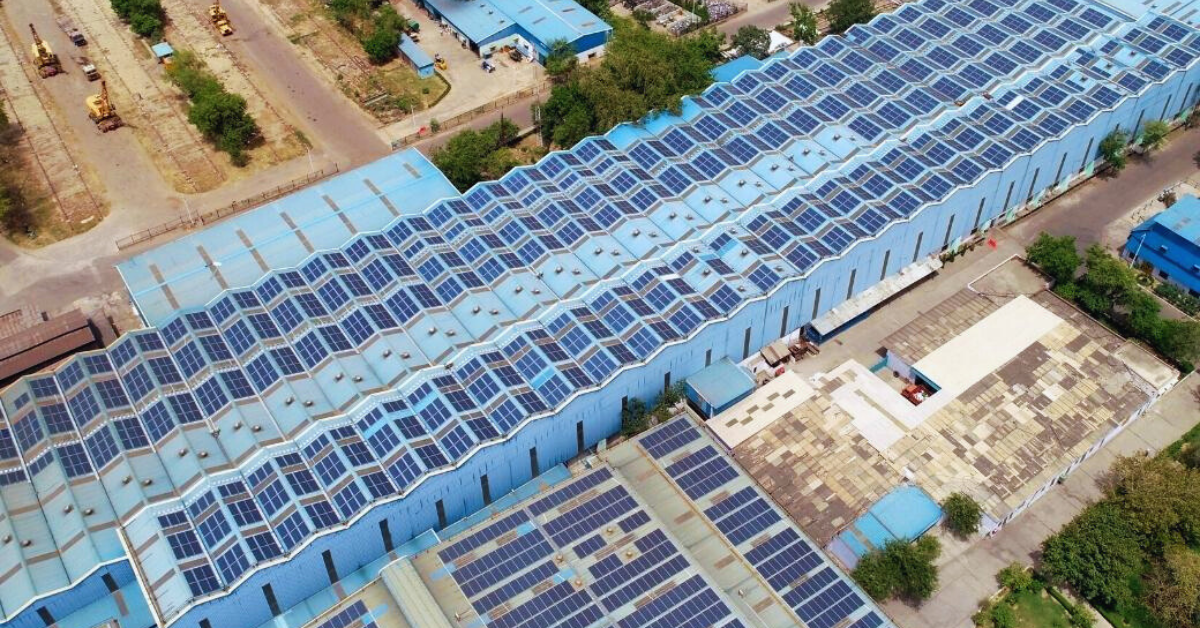
For businesses today, sustainability is no longer a peripheral consideration. Rising energy costs, evolving policy frameworks, and increasing expectations from customers, investors, and regulators are steadily pushing clean energy higher up the corporate agenda.
At the same time, businesses are becoming more conscious of the risks associated with energy decisions - from cost volatility and operational reliability to long-term performance and maintenance accountability. As a result, going green is increasingly treated not just as an environmental choice but as a business decision that must balance savings, risk, and operational certainty.
This is particularly evident among India’s small and medium enterprises, which collectively account for more than 65 million businesses. While intent to adopt clean energy is strong, execution often feels complex, driven by upfront cost, financing choices, and questions around long-term performance.
The cost lever many businesses underestimate
Across manufacturing, logistics, education, food processing, and e-commerce, leadership teams typically focus on growth and delivery. Electricity, cooling, lighting, and pumping are often treated as fixed overheads, even though they directly influence margins.
For many commercial and industrial consumers, grid electricity remains one of the largest recurring expenses. A rooftop solar installation, for example, can require ₹35-50 lakh for a 100-kilowatt system, with a payback period of around seven years. Yet the long-term advantage is clear: commercial tariffs often range between ₹8-₹12 per kWh, while well-structured rooftop OPEX tariffs can fall in the ₹3.5-₹5 per kWh range.
Solar, therefore, offers a structural opportunity to reduce long-term energy costs and introduce greater predictability into power spend. The challenge lies less in the economics and more in how risk is allocated through financing and accountability.
Why financing shapes adoption outcomes
The way a solar project is financed determines who carries the downside.
Ownership-based models financed through bank loans or NBFC-led green financing can improve early-year economics through mechanisms such as accelerated depreciation and GST input credit. However, they also place performance responsibility on the business, meaning repayments continue even if generation drops or downtime occurs.
To reduce this exposure, many MSMEs consider power purchase agreements (PPAs). Under a PPA, a developer installs and operates the system, and the business pays only for the electricity consumed, typically at a tariff below prevailing grid rates. The trade-off is that ownership and associated tax benefits remain with the developer.
Increasingly, businesses are looking for models that sit between these two.
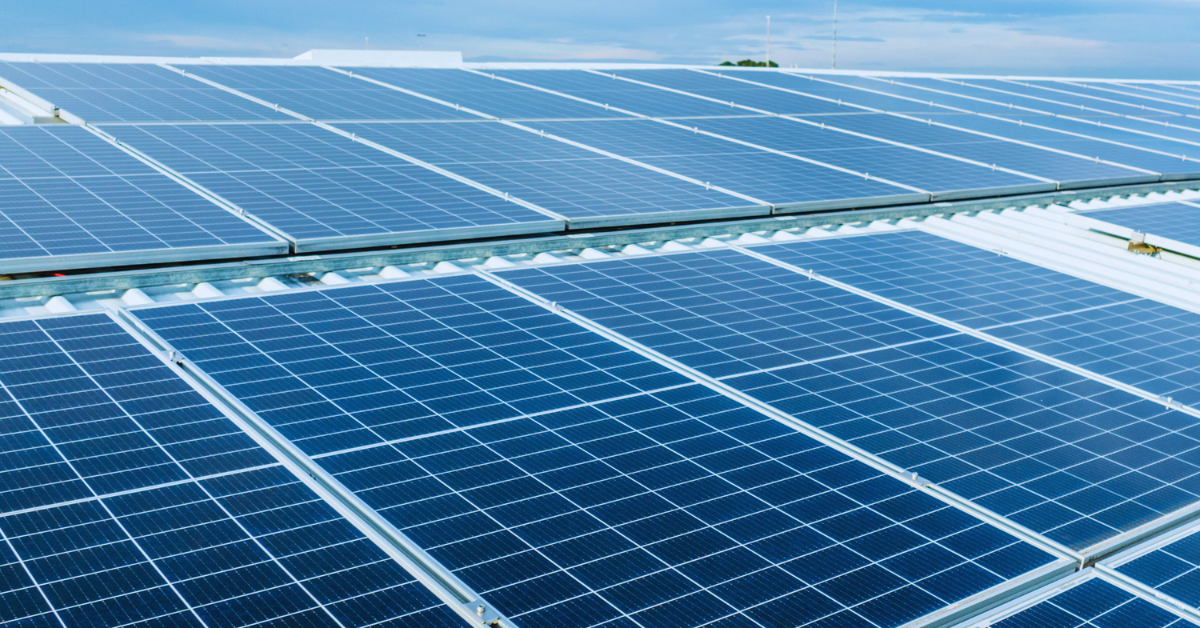
Aligning payments with performance
A growing trend in business solar is linking payments to how much electricity a system actually generates. In these structures, repayments are tied to energy output rather than the fixed monthly payments.
This reduces the burden of fixed monthly payments during periods of underperformance and strengthens accountability across the system’s operation. At the same time, it allows businesses to retain long-term ownership and associated tax benefits such as accelerated depreciation and GST input credits - combining the advantages of ownership with stronger risk protection.
A separate option for businesses that already have solar
For businesses with existing solar systems, solar refinancing has emerged as a way to unlock capital while transferring ongoing maintenance and performance responsibility to specialised partners. This allows businesses to continue benefiting from solar generation while transferring operational responsibility - and, where chosen, asset ownership - to the developer.
Policy adds another layer of consideration
India’s renewable energy framework continues to evolve, with central policies implemented differently across states. Differences in net metering rules, open-access regulations, tariff structures, and grid permissions can materially affect project outcomes.
This variability reinforces the importance of choosing financing and operating models that can absorb policy-related uncertainty. Solar decisions, therefore, consider not only cost and sustainability goals, but also long-term regulatory standards.
Beyond sustainability: a strategic business decision
For India’s MSMEs, the question is no longer whether to go solar, but how to do it in a way that delivers savings without introducing new risks.
With the right financing structure, clear performance accountability, and an understanding of state-level policy dynamics, solar moves beyond a sustainability initiative. It becomes a stable, cost-efficient component of business infrastructure - strengthening resilience, improving efficiency, and supporting long-term growth.
The challenge



Lower electricity costs
In 2025 alone, the system delivered:

R622,159
in electricity savings

1.4 GWH
of clean energy generated

1,800 TONNES
of CO₂ emissions avoided
The result is not only a more resilient operation, but a more cost-efficient and sustainable one too
One Successful Phase Deserves Another
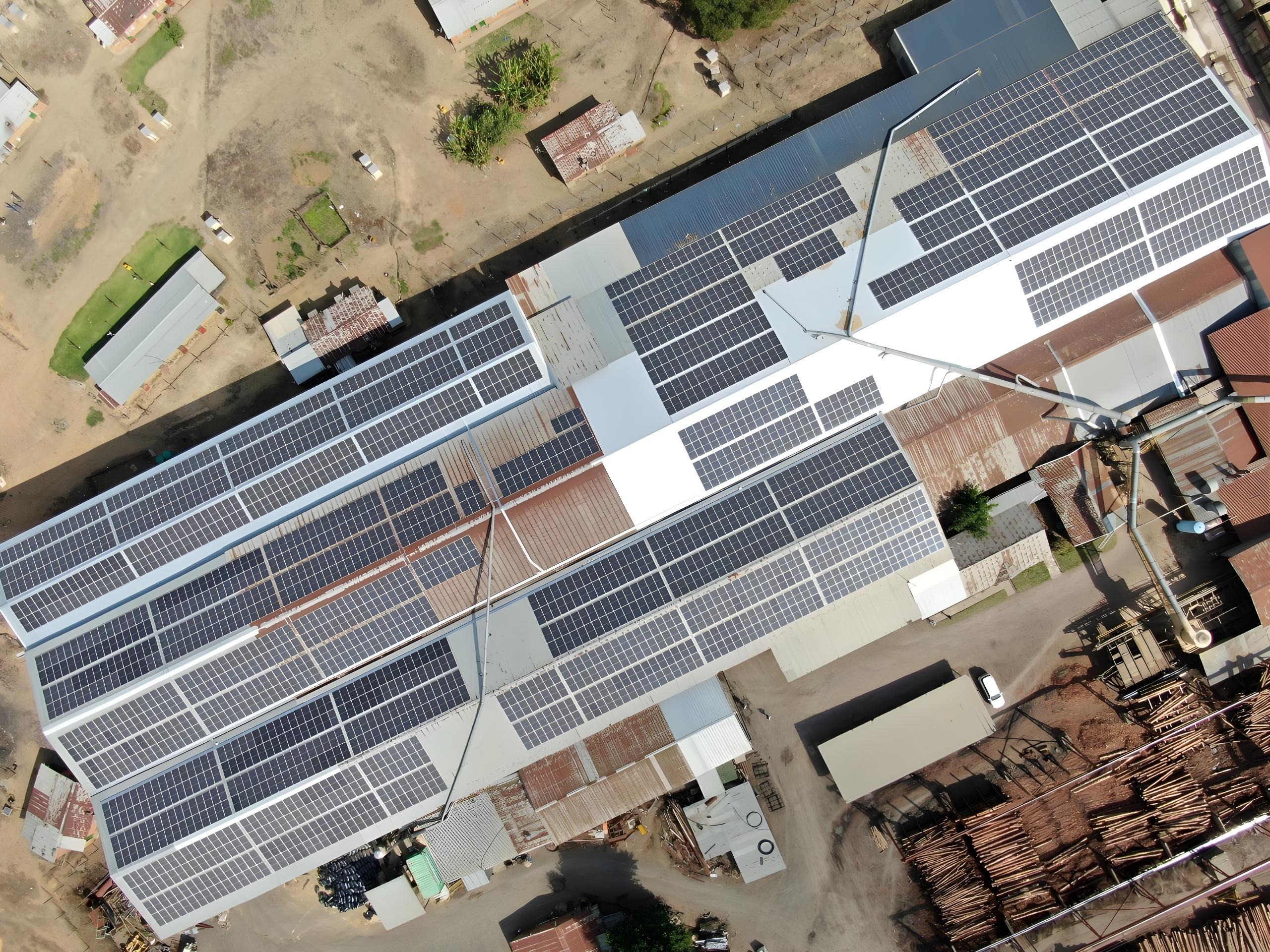
The performance of the first phase gave Bracken Timbers the confidence to go further.
Following its success, the company approved an additional 540 kWp expansion. Once complete, the expanded system is expected to increase annual electricity savings to approximately R1.1 million, while covering even more of the sawmill's daytime energy needs.
Every time the power went out, production slowed. Delivery schedules became harder to maintain, customer commitments came under pressure, and the disruption extended far beyond the factory floor - to suppliers, customers and the company's 1,500-strong workforce.
The team explored generating electricity using its own wood waste, including sawdust and bark. While it was technically possible, building, operating and maintaining an energy plant would require specialist expertise outside its core business.
Bracken Timbers knew what it needed: a reliable energy solution and an experienced partner to make it happen.
The solution
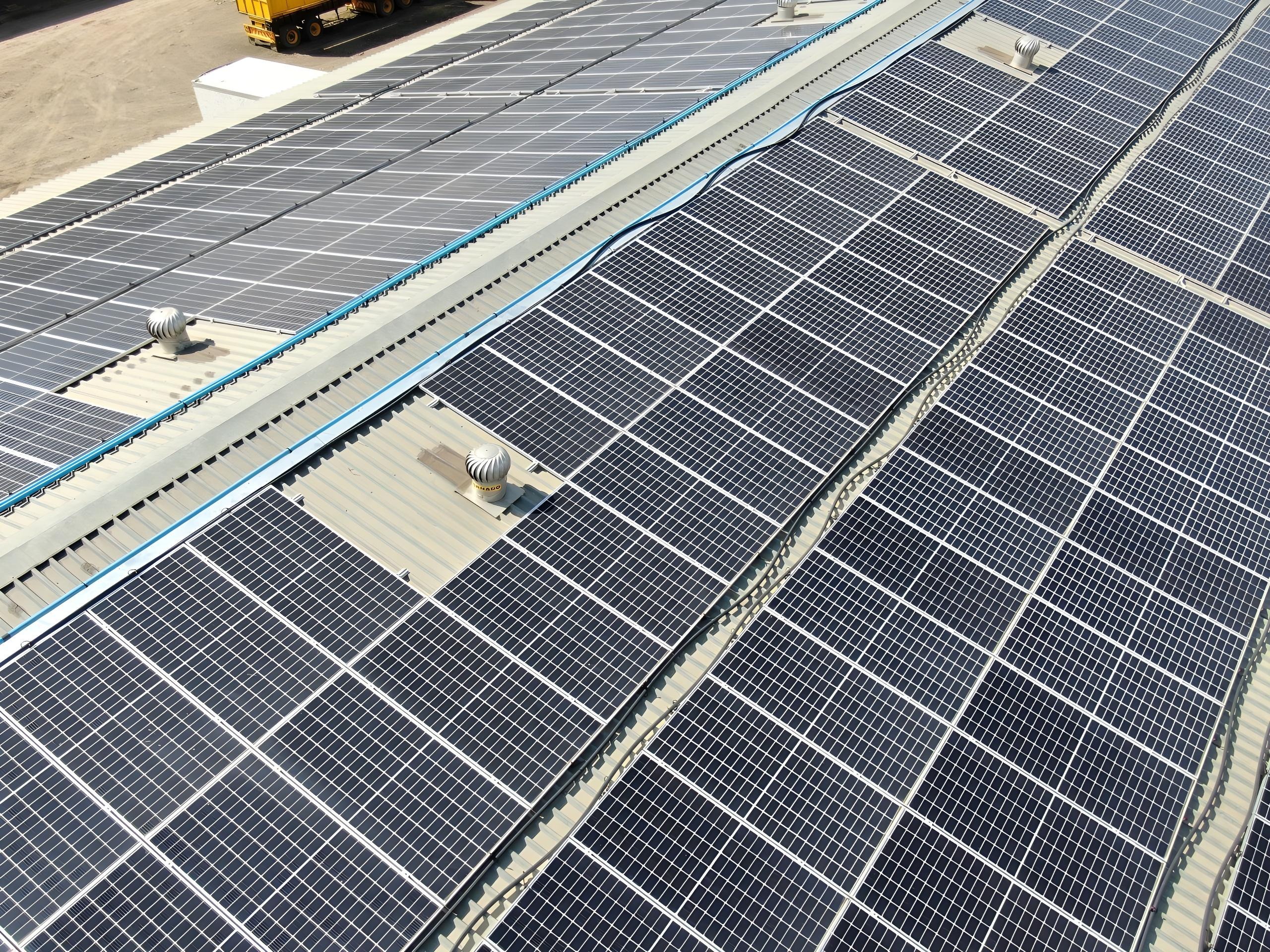
Candi Solar designed and financed a 1.5 MWp solar installation through its Performance-Linked Instalment Sale (PLIS) model.
In simple terms, Bracken Timbers did not need to make a heavy upfront investment or take on the operational risk of managing a solar plant.
Instead, the business pays for the energy the system generates, while Candi takes responsibility for its performance, maintenance and long-term optimisation.
That means the Bracken Timbers team can remain focused on what it does best: producing quality structural timber - while its solar system gets on with producing reliable, more affordable energy.
The impact
Production Keeps Moving
The solar system was integrated with Bracken Timbers' existing backup generators, helping the sawmill continue operating for full nine-hour shifts during load shedding.
So, while grid interruptions continue to bring production to a halt for many manufacturers, Bracken Timbers can keep its mill running, stay on schedule and continue fulfilling customer orders.
Most importantly, this increased energy stability helps protect consistent employment for more than 1,500 people.
“
The partnership has delivered exactly what was promised. As the solar system operates over time, the financial and operational benefits will only continue to grow.
George Johnson,
Director, Sawmill & Charcoal,
Bracken Timbers





Thinking about solar for your business?
Get a free, tailored assessment of what solar could save you — with zero upfront cost and performance risk carried by us.
Book a free consultation