Clear Savings for a Glass Industry Leader
Saving ₹33 Lakh Every Year: Powering India’s Leading Glass Manufacturer with Cleaner, Lower-Cost Energy
Introduction
Asahi India Glass (AIS) is India’s leading integrated glass and window solutions company, manufacturing products used across the automotive and architectural industries.
From windscreens in leading vehicle brands to glass used in commercial buildings, offices, and homes, AIS products are everywhere.
Behind them, though, is a manufacturing process that needs a lot of energy.
Furnaces run continuously at extremely high temperatures. Production lines operate around the clock. And electricity is critical to maintaining consistent quality and output.
So, when the cost of power goes up, it doesn’t stay confined to the electricity bill. It goes straight into the cost of manufacturing.
That’s where solar came in.
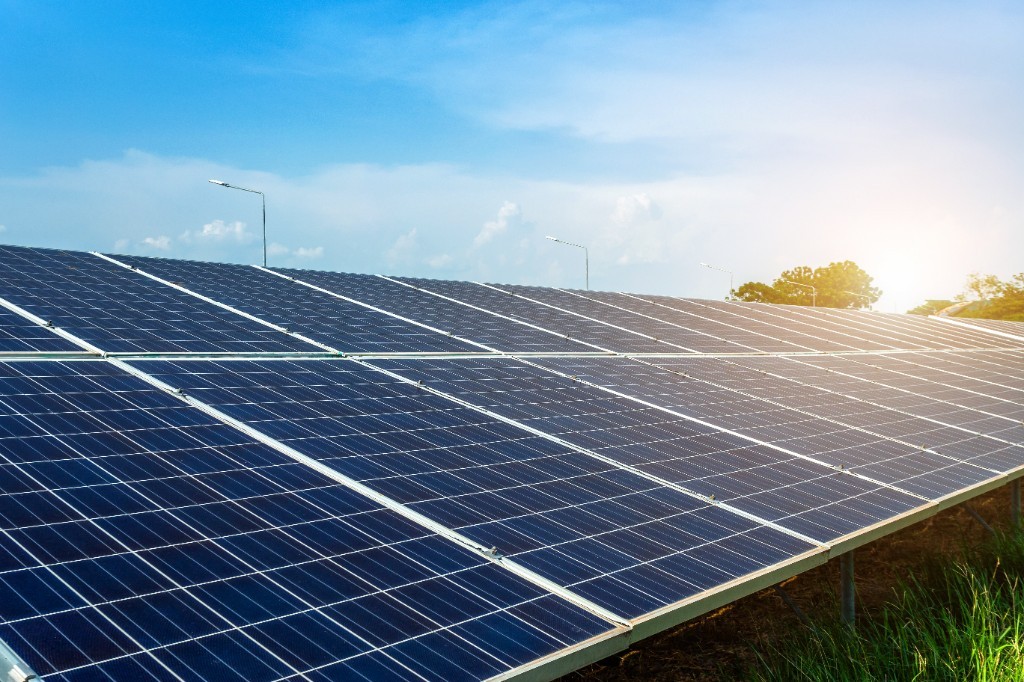
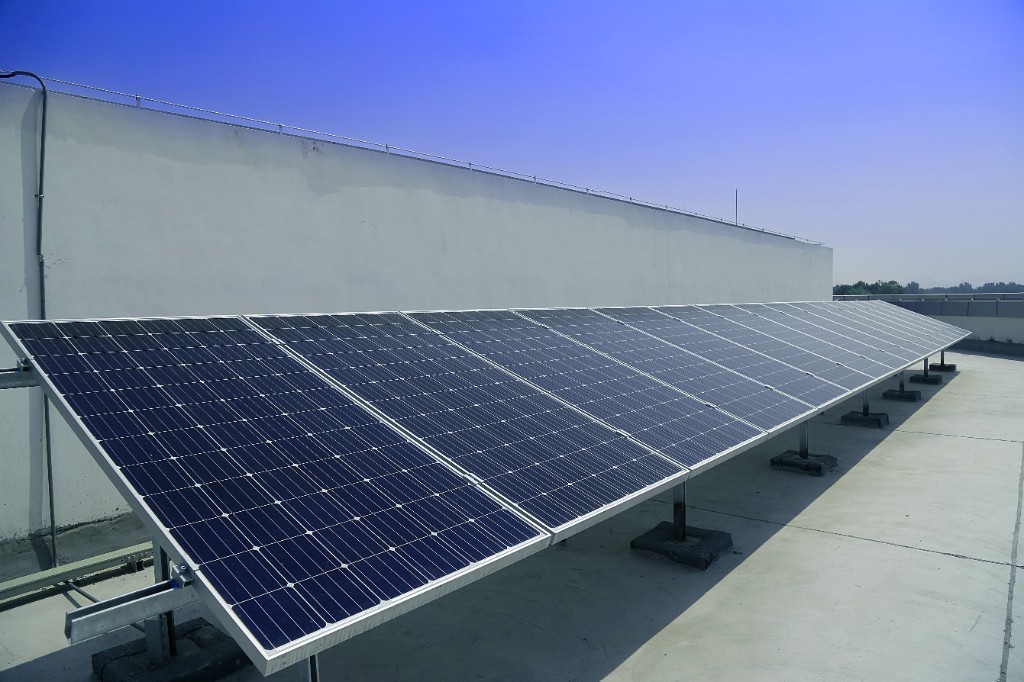
Today, through its partnership with Candi Solar, AIS saves more than ₹33 lakh in electricity costs every year while generating clean energy on-site through a 1.5 MWp rooftop solar plant.
For manufacturers like Asahi, reducing energy costs isn’t just about lowering overheads; it is an opportunity to strengthen the long-term competitiveness and sustainability of its operations.
The Challenge
For a manufacturing business, “just use less electricity” isn’t really an option.
Furnaces must operate continuously at extremely high temperatures, production lines run around the clock, and consistent power is essential for maintaining product quality and output.
This means that rising electricity tariffs directly impact manufacturing costs and long-term competitiveness. Every increase in power costs affects margins, making energy one of the few operating expenses where strategic improvements can create lasting business value.
Asahi needed to reduce that exposure without disrupting operations or putting significant capital into an energy asset.
In simple terms: It needed lower-cost power. And it needed a solution that would not become another plant for its own team to manage.
The Solution
Candi Solar partnered with Asahi through a 1.5 MWp rooftop solar project under a Power Purchase Agreement (PPA).
The model enables Asahi to benefit from clean, lower-cost solar electricity without investing upfront capital or taking the responsibility for managing the system.
Candi Solar finances, operates, and maintains the solar asset while actively managing its long-term performance, allowing Asahi to concentrate on what it does best - manufacturing world-class glass.
The Impact
Lower energy costs every year
The 1.5 MWp rooftop plant generates approximately 1,870 MWh of clean electricity every year. That translates into more than ₹33 lakh in annual electricity savings.
For an energy-intensive manufacturer, electricity isn’t a peripheral expense. It directly affects the economics of production. So every unit of lower-cost solar power isn’t just a sustainability win. It is a manufacturing cost avoided - year after year.
Manufacturing with a smaller carbon footprint
The plant also helps Asahi avoid more than 1,530 tonnes of CO₂ emissions annually.
The production process hasn’t changed. The quality requirements haven’t changed. The furnaces are still doing what they need to do.
What has changed is where part of that electricity comes from, allowing the business to reduce the carbon footprint of its operations without compromising on its production.
The Cost of Waiting
Solar decisions are usually evaluated around one question: “How much will we save?”
But for businesses with large electricity bills, there’s another useful question: “How much are we losing while we decide?”
Asahi is now saving more than ₹33 lakh every year. That means every year without the system would have been another year of paying more for electricity that could have been generated at a lower cost on its own rooftop.
For energy-intensive manufacturers, that is perhaps the more interesting way to look at solar.
Not simply as an investment. But as an operating cost you can start reducing today.
The challenge


Lower electricity costs
In 2025 alone, the system delivered:

R622,159
in electricity savings
1.4 GWH
of clean energy generated

1,800 TONNES
of CO₂ emissions avoided
The result is not only a more resilient operation, but a more cost-efficient and sustainable one too
One Successful Phase Deserves Another
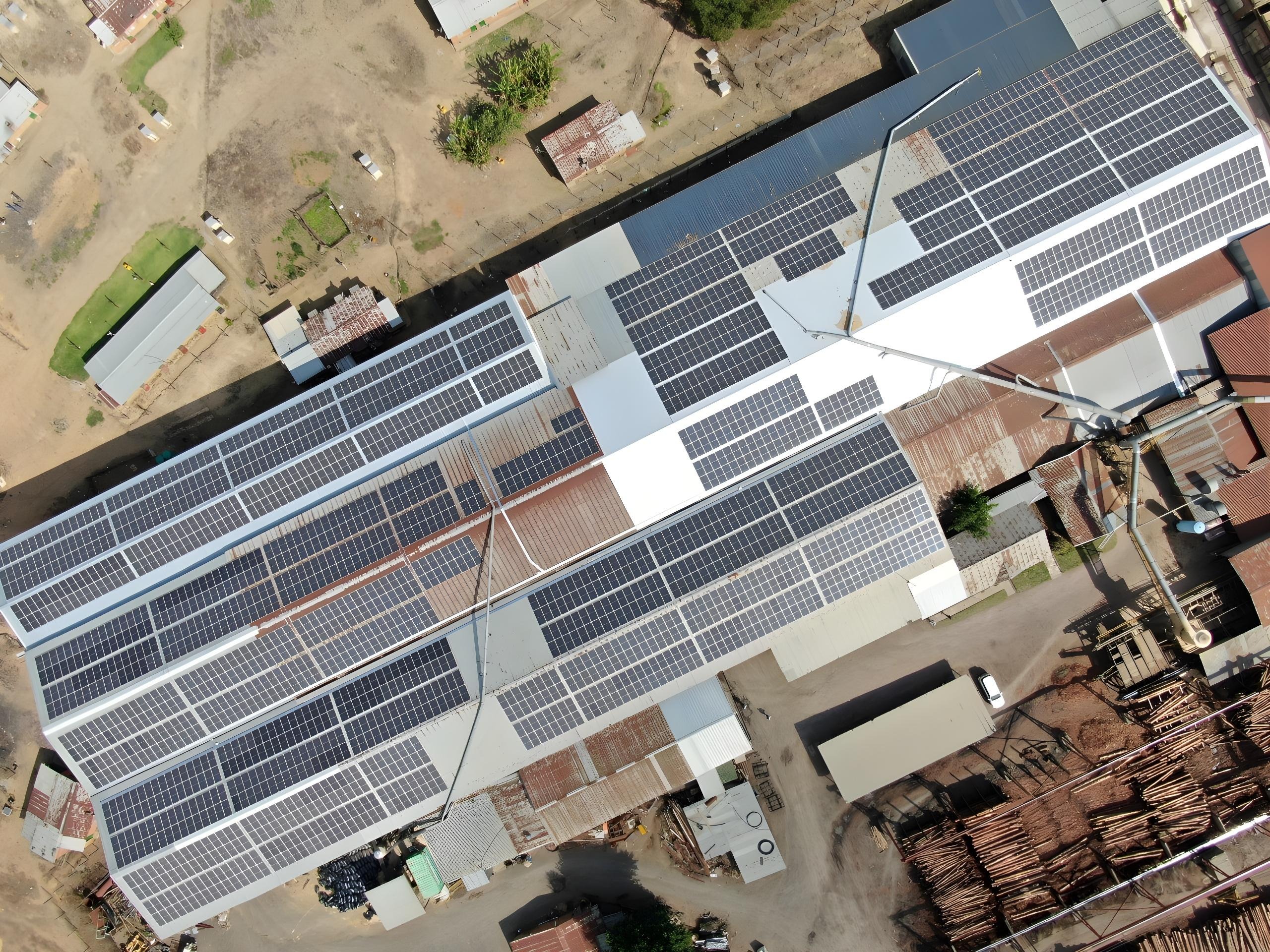
The performance of the first phase gave Bracken Timbers the confidence to go further.
Following its success, the company approved an additional 540 kWp expansion. Once complete, the expanded system is expected to increase annual electricity savings to approximately R1.1 million, while covering even more of the sawmill's daytime energy needs.
Every time the power went out, production slowed. Delivery schedules became harder to maintain, customer commitments came under pressure, and the disruption extended far beyond the factory floor - to suppliers, customers and the company's 1,500-strong workforce.
The team explored generating electricity using its own wood waste, including sawdust and bark. While it was technically possible, building, operating and maintaining an energy plant would require specialist expertise outside its core business.
Bracken Timbers knew what it needed: a reliable energy solution and an experienced partner to make it happen.
The solution
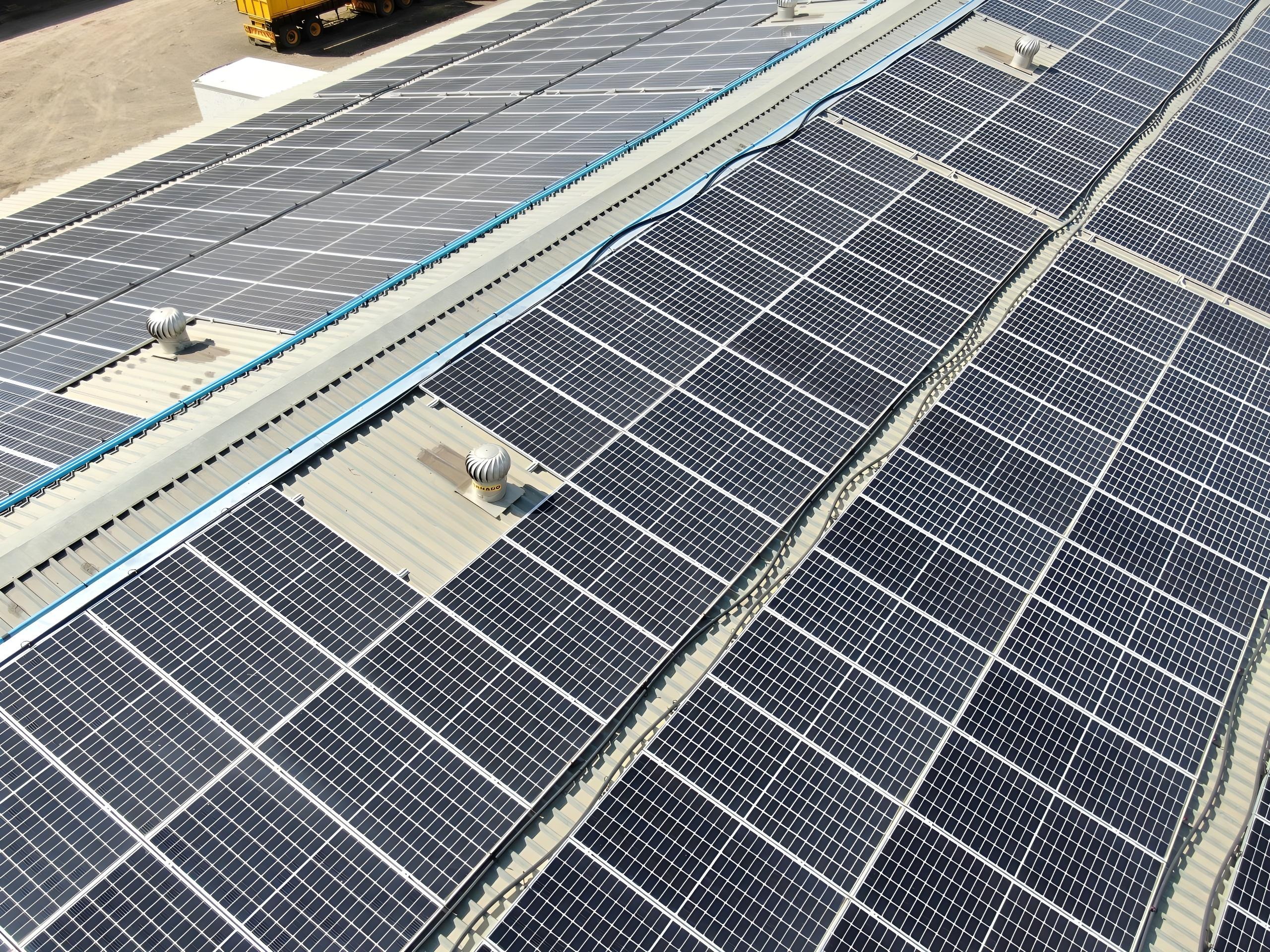
Candi Solar designed and financed a 1.5 MWp solar installation through its Performance-Linked Instalment Sale (PLIS) model.
In simple terms, Bracken Timbers did not need to make a heavy upfront investment or take on the operational risk of managing a solar plant.
Instead, the business pays for the energy the system generates, while Candi takes responsibility for its performance, maintenance and long-term optimisation.
That means the Bracken Timbers team can remain focused on what it does best: producing quality structural timber - while its solar system gets on with producing reliable, more affordable energy.
The impact
Production Keeps Moving
The solar system was integrated with Bracken Timbers' existing backup generators, helping the sawmill continue operating for full nine-hour shifts during load shedding.
So, while grid interruptions continue to bring production to a halt for many manufacturers, Bracken Timbers can keep its mill running, stay on schedule and continue fulfilling customer orders.
Most importantly, this increased energy stability helps protect consistent employment for more than 1,500 people.
“
The partnership has delivered exactly what was promised. As the solar system operates over time, the financial and operational benefits will only continue to grow.
George Johnson,
Director, Sawmill & Charcoal,
Bracken Timbers





Thinking about solar for your business?
Get a free, tailored assessment of what solar could save you — with zero upfront cost and performance risk carried by us.
Book a free consultation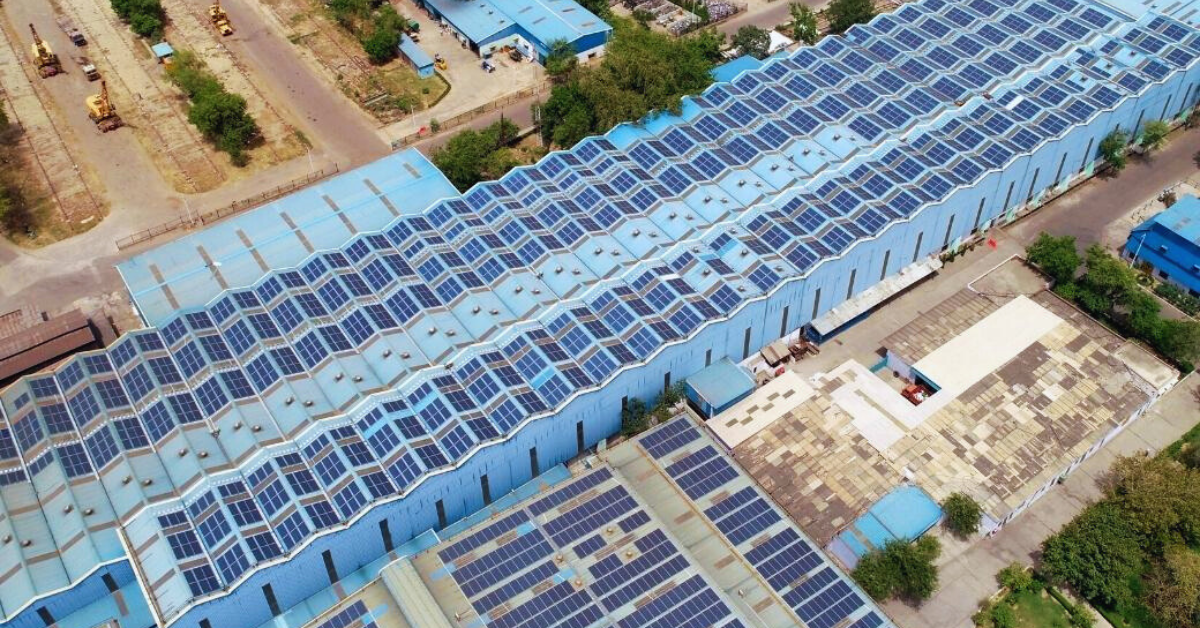
.jpg)