Eveready, Somanhali- Karnataka
.jpg)
Eveready, a leading battery supplier in India, is renowned for its reliability and innovation. Committed to enhancing lives through quality energy solutions, the company has also focused on sustainability. At their manufacturing facility in Somanhali, Karnataka, frequent power outages disrupted operations five days a week. Relying on diesel generators for backup power raised environmental and cost concerns. To address these issues, Eveready sought a more sustainable alternative for their energy needs.
Shashidhara, Plant Manager- Eveready, Somanhali- “I have noticed that electricity tariffs from the electricity board are increasing. It's not like the old days. In this scenario, what other power-saving options do we have? In this geographical condition, solar power is the only viable option.”
The Challenge
Eveready’s manufacturing plant faced two primary challenges:
Manufacturing Costs: The main expenses included the procurement and preparation of raw materials and the high cost of power, which led to a significant increase in overall manufacturing costs. While wind energy had been used at other locations, its effectiveness varied depending on geographical conditions, making widespread adoption difficult.
Frequent Grid Outages: Power outages disrupted Eveready’s operations nearly five days a week. To manage this, Eveready relied heavily on diesel generators, which raised both financial and environmental concerns.
Recognising the need for a reliable energy solution, along with rising costs and environmental concerns, Eveready decided to explore solar energy for powering its operations.
The Solution
Eveready partnered with candi solar to install a 650 kW solar system under a customised Power Purchase Agreement (PPA). This model provided financial flexibility by avoiding upfront costs and ensured smooth integration with existing operations. It also stabilised energy costs, protecting Eveready from fluctuating diesel and grid prices. The PPA was viewed as a strategic investment, offering potential for future scalability and regulatory advantages.
The Result
Shashidhara, Plant Manager- Eveready, Somanhali-“The landed cost of electricity per unit, including taxes, was around ₹11.00. Today, our power cost has reduced to about ₹8.00 per kWh, resulting in savings of nearly ₹3.00, representing a 30% reduction.”
Shashidhara, Plant Manager- Eveready, Somanhali-“Although our unit operates 24 hours a day, our peak consumption is during daylight hours. During grid failures, diesel generators come into play. However, there have been instances where the DGs couldn't fully support our operations. In such cases, solar power has become crucial in maintaining our operations.”
Eveready's 650 kWp solar system will generate over 9,00,000 kWp of energy annually, mitigating carbon emissions by more than 800 tons equivalent to planting over 36,000 trees.
As a leading carbon battery manufacturer, Eveready is committed to environmental responsibility. This initiative marks a step towards sustainability by reducing fuel consumption and improving environmental conditions. Thanks to solar power, Eveready has reduced their reliance on diesel generators and further minimised their carbon footprint.
Testimonial
Shashidhara, Plant Manager- Eveready, Somanhali-“ There was a deadline spearing my head to get the project up and running till the financial year commits. Candi gave us that confidence and trust and committed to commissioning the project on time, which was fulfilled. They provided us with regular updates; the interaction has been very smooth and open. The preparation level was parallel to the communication, the statutory requirement, inspection, contract, project execution, and mobilisation of material, and it was done on time. It was like an emergency was declared which was also executed beautifully. There was tremendous support from everyone involved in the project.”
The challenge


Lower electricity costs
In 2025 alone, the system delivered:

R622,159
in electricity savings
1.4 GWH
of clean energy generated

1,800 TONNES
of CO₂ emissions avoided
The result is not only a more resilient operation, but a more cost-efficient and sustainable one too
One Successful Phase Deserves Another
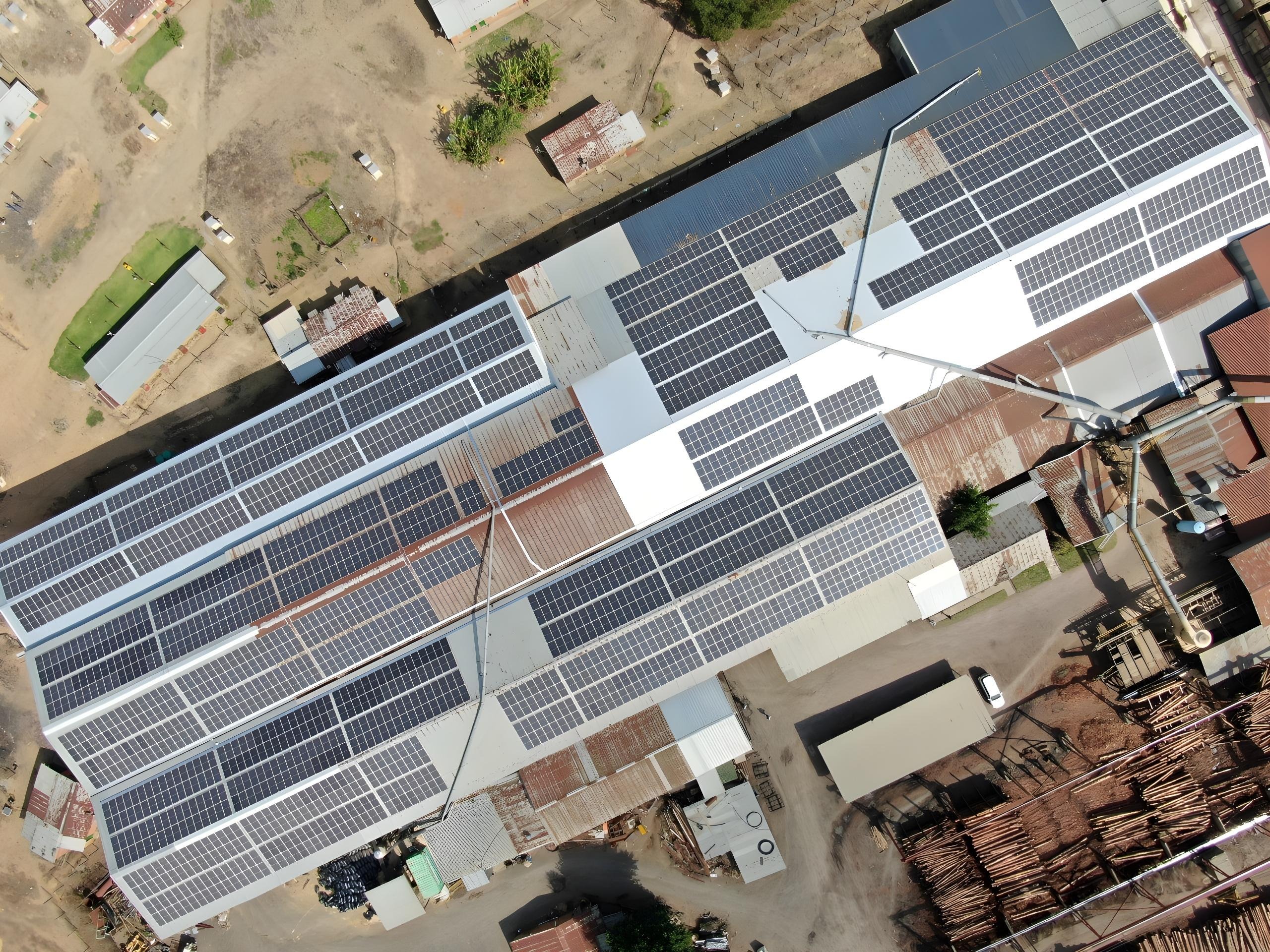
The performance of the first phase gave Bracken Timbers the confidence to go further.
Following its success, the company approved an additional 540 kWp expansion. Once complete, the expanded system is expected to increase annual electricity savings to approximately R1.1 million, while covering even more of the sawmill's daytime energy needs.
Every time the power went out, production slowed. Delivery schedules became harder to maintain, customer commitments came under pressure, and the disruption extended far beyond the factory floor - to suppliers, customers and the company's 1,500-strong workforce.
The team explored generating electricity using its own wood waste, including sawdust and bark. While it was technically possible, building, operating and maintaining an energy plant would require specialist expertise outside its core business.
Bracken Timbers knew what it needed: a reliable energy solution and an experienced partner to make it happen.
The solution
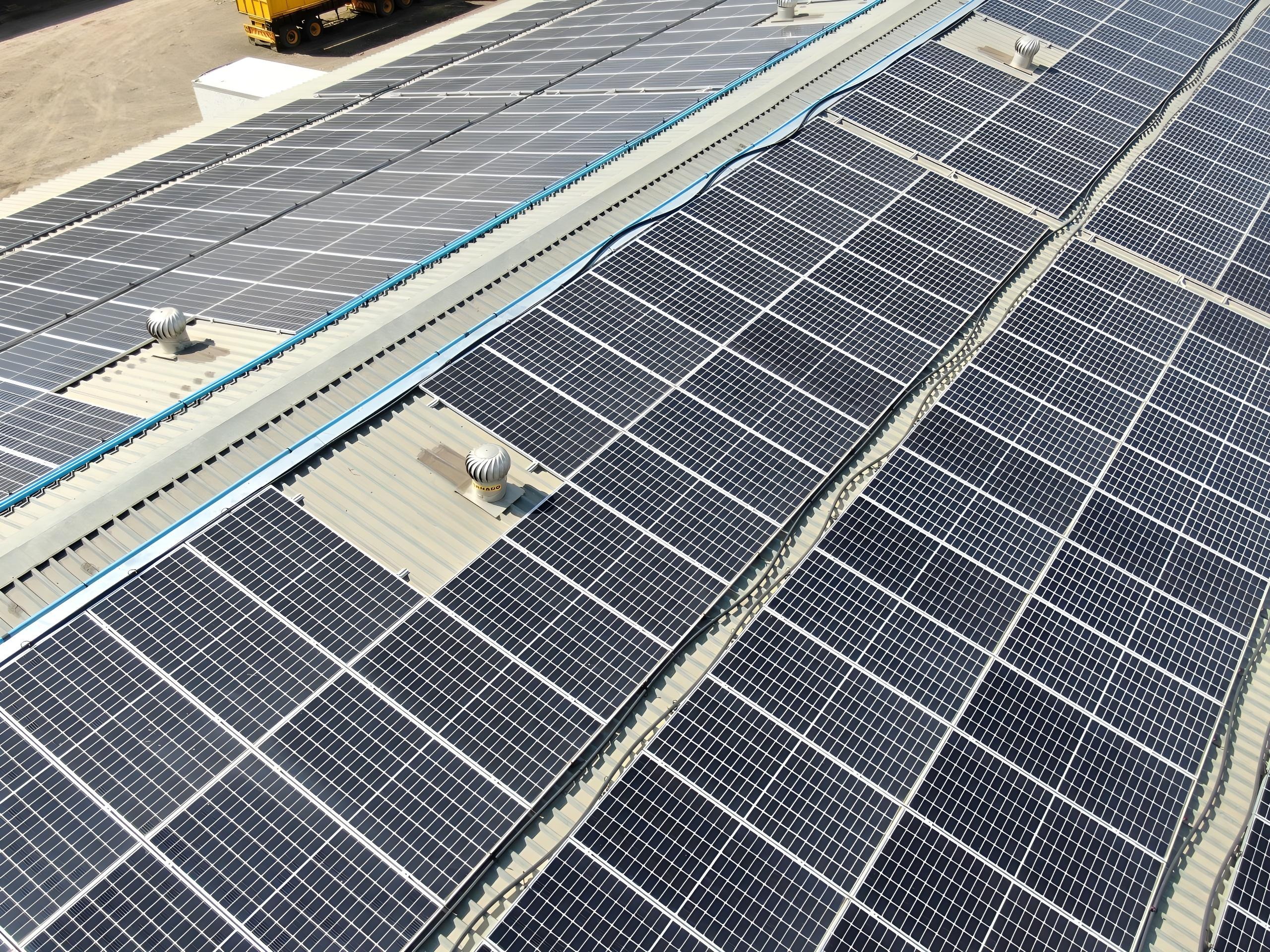
Candi Solar designed and financed a 1.5 MWp solar installation through its Performance-Linked Instalment Sale (PLIS) model.
In simple terms, Bracken Timbers did not need to make a heavy upfront investment or take on the operational risk of managing a solar plant.
Instead, the business pays for the energy the system generates, while Candi takes responsibility for its performance, maintenance and long-term optimisation.
That means the Bracken Timbers team can remain focused on what it does best: producing quality structural timber - while its solar system gets on with producing reliable, more affordable energy.
The impact
Production Keeps Moving
The solar system was integrated with Bracken Timbers' existing backup generators, helping the sawmill continue operating for full nine-hour shifts during load shedding.
So, while grid interruptions continue to bring production to a halt for many manufacturers, Bracken Timbers can keep its mill running, stay on schedule and continue fulfilling customer orders.
Most importantly, this increased energy stability helps protect consistent employment for more than 1,500 people.
“
The partnership has delivered exactly what was promised. As the solar system operates over time, the financial and operational benefits will only continue to grow.
George Johnson,
Director, Sawmill & Charcoal,
Bracken Timbers
Thinking about solar for your business?
Get a free, tailored assessment of what solar could save you — with zero upfront cost and performance risk carried by us.
Book a free consultation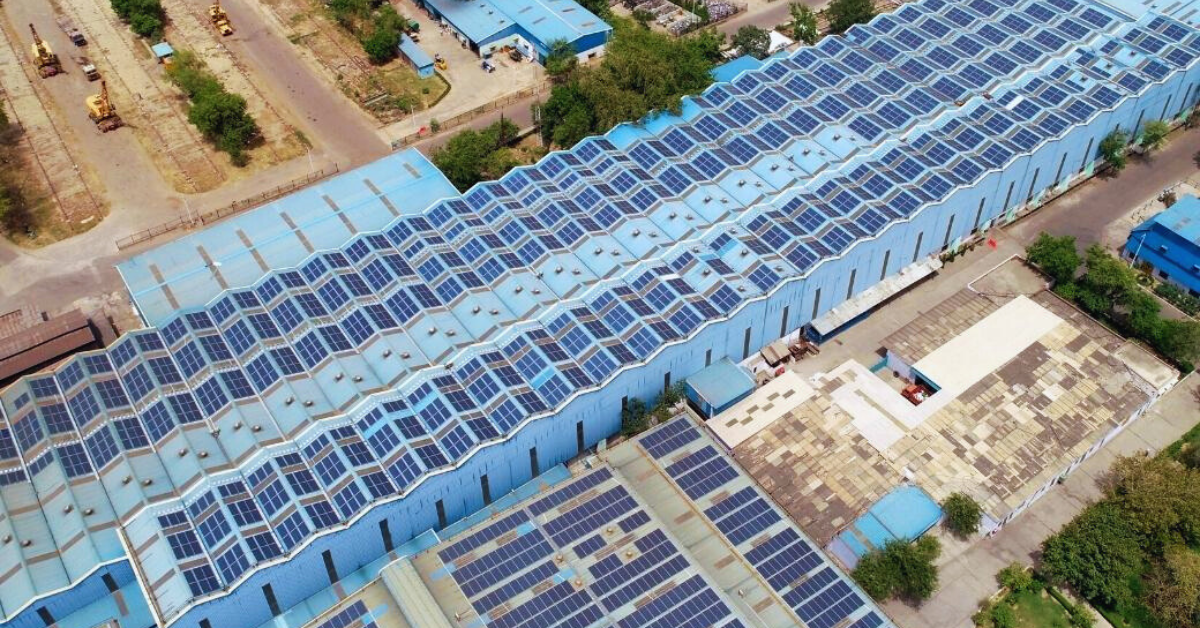
.jpg)
.jpg)