Turning Haryana’s Sun into a Manufacturing Advantage
How a 700 kWp rooftop solar PPA in Haryana is helping Uniproducts reduce electricity costs and avoid over 650 tonnes of CO₂ every year.
Introduction
Uniproducts is an automotive components manufacturer in Haryana, where energy-intensive production makes electricity costs a key part of the operating equation.
Automotive component manufacturing relies on electricity at almost every stage of production. CNC machines, presses, compressors, welding systems, and other equipment can run for long hours every day.
But putting solar on a factory is not always as simple as putting panels on the roof. Businesses must consider the upfront investment, system performance, maintenance, and the operational risk of owning another asset.
A Power Purchase Agreement allowed Uniproducts to use the solar energy its facility needed without having to own or operate the solar plant itself.
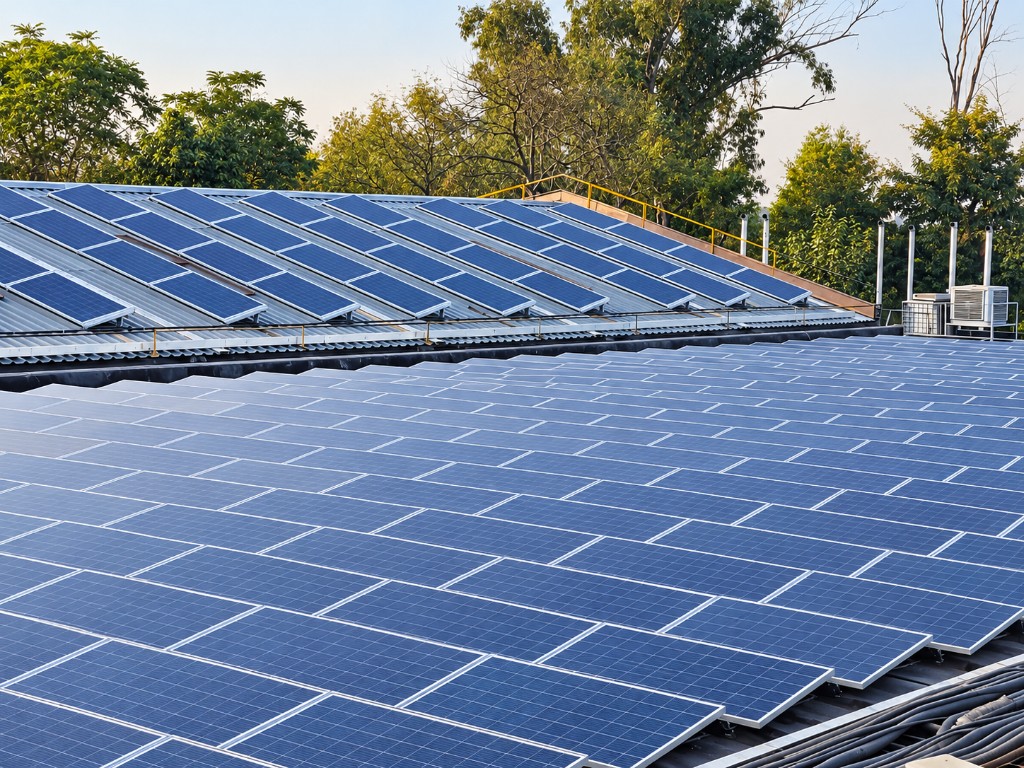
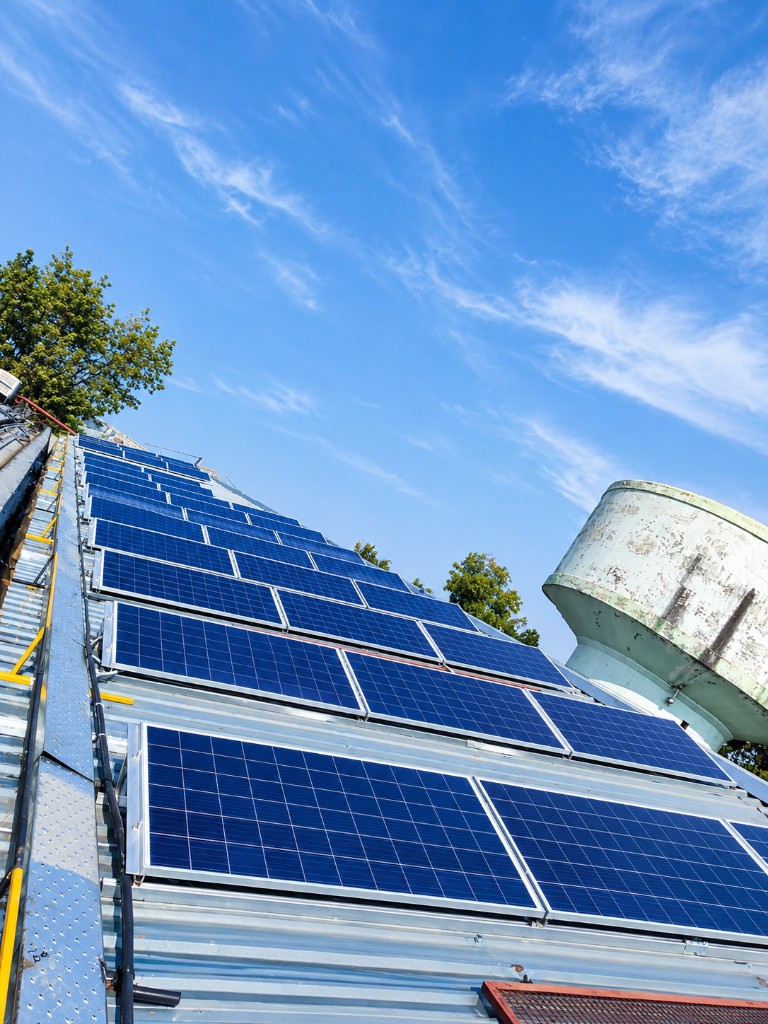
Today, its 700 kWp rooftop solar system is expected to generate around 900,000 kWh of clean electricity every year.
Candi Solar helped make that possible.
The Challenge
For Uniproducts, electricity is a critical input to its manufacturing operations.
A large portion of its energy demand comes during the day, when production of automotive components is in full swing.
Relying entirely on grid power meant continuing to pay higher electricity tariffs while leaving its rooftop space unused.
The company also wanted to reduce its carbon emissions and make progress towards its sustainability goals.
The challenge was finding a way to achieve all three without taking on the cost and complexity of managing a solar asset itself.

The Solution
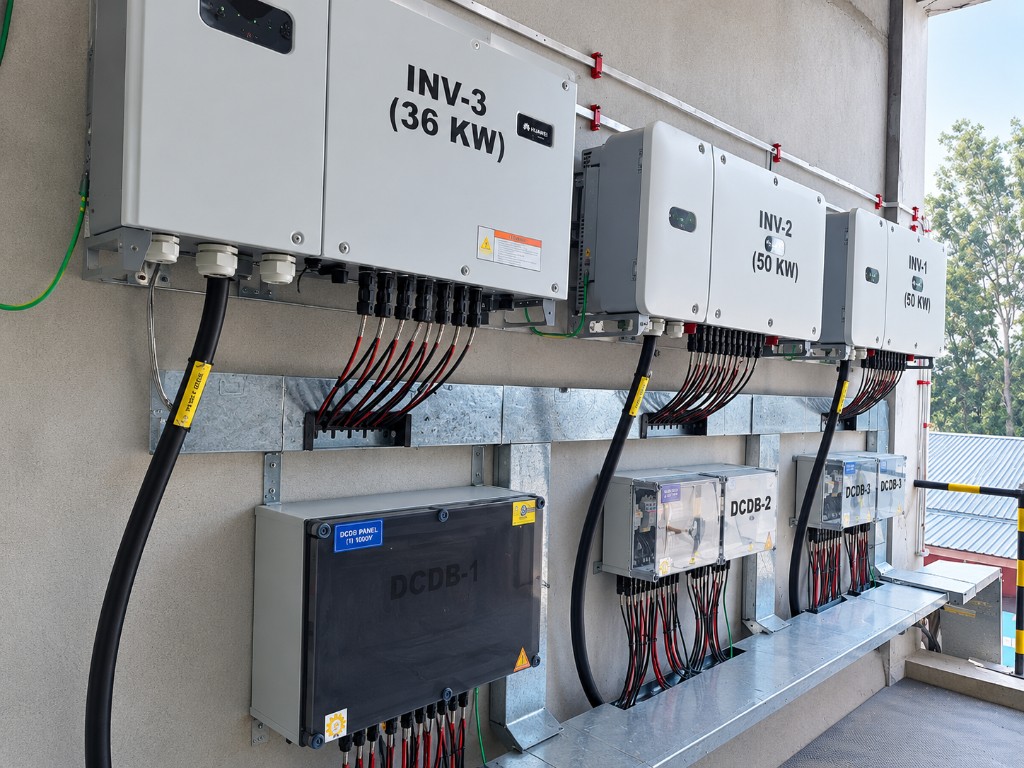
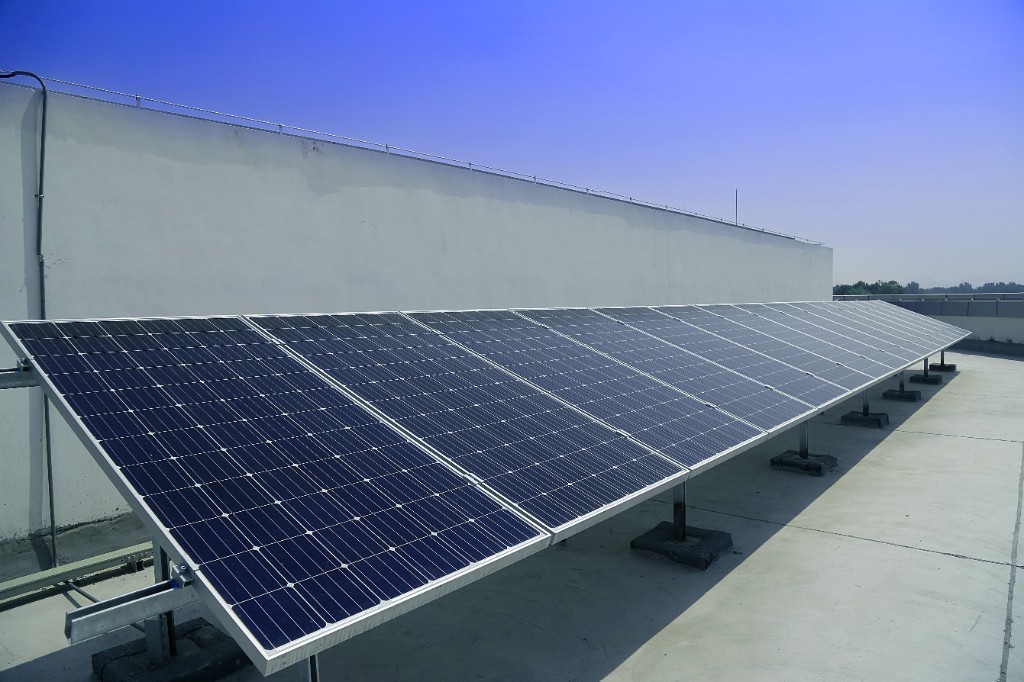
Candi Solar designed and delivered a 700 kWp rooftop solar installation through a Power Purchase Agreement (PPA).
Under the PPA, Candi owns the solar asset and takes responsibility for its performance, operation, and maintenance. Uniproducts pays for the solar electricity it uses, rather than investing upfront in the system.
Candi Solar handled the engineering, procurement, installation, testing, and commissioning of the plant, along with ongoing remote monitoring and preventive maintenance.
This means Uniproducts focuses on manufacturing, while Candi takes care of the energy asset powering its operations.
The Impact
Lower electricity costs
The solar system is expected to generate approximately 900,000 kWh of clean electricity every year.
With solar electricity priced much lower than the conventional grid tariff,
The project is expected to save Uniproducts around ₹10.8 lakh every year.
That means lower energy costs without compromising the power needed to keep production moving.
A smaller carbon footprint
650 tonnes of CO₂ emissions every year,

The benefits extend beyond the electricity bill.
The system is expected to avoid approximately 650 tonnes of CO₂ emissions every year, helping Uniproducts reduce its environmental impact while continuing to meet its energy needs.
Turning unused space into productive energy
The project also puts previously unused rooftop space to work.
Instead of simply being part of the factory infrastructure, the rooftop now contributes directly to the energy powering the business.
Energy that works for the business
For an automotive components manufacturer, energy is part of the production equation.
By moving a portion of its electricity demand to solar, Uniproducts is reducing the cost of that energy while making its operations more sustainable.
The result is a solar solution built around the way the business actually operates: lower-cost energy, cleaner power and one less operational responsibility for the manufacturing team.
Powering a more sustainable planet, one business at a time.
The challenge

Lower electricity costs
In 2025 alone, the system delivered:

R622,159
in electricity savings
1.4 GWH
of clean energy generated

1,800 TONNES
of CO₂ emissions avoided
The result is not only a more resilient operation, but a more cost-efficient and sustainable one too
One Successful Phase Deserves Another
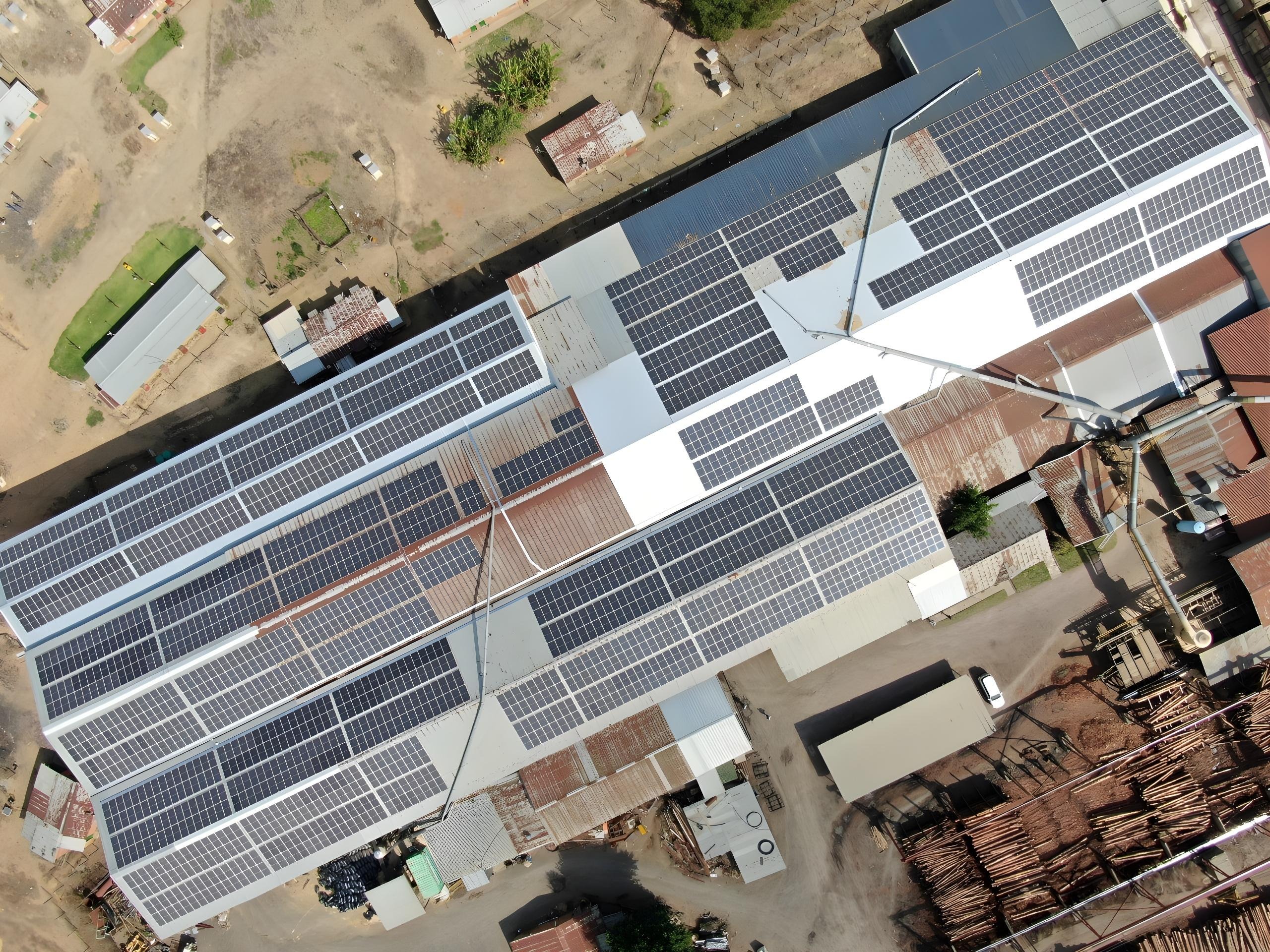
The performance of the first phase gave Bracken Timbers the confidence to go further.
Following its success, the company approved an additional 540 kWp expansion. Once complete, the expanded system is expected to increase annual electricity savings to approximately R1.1 million, while covering even more of the sawmill's daytime energy needs.
Every time the power went out, production slowed. Delivery schedules became harder to maintain, customer commitments came under pressure, and the disruption extended far beyond the factory floor - to suppliers, customers and the company's 1,500-strong workforce.
The team explored generating electricity using its own wood waste, including sawdust and bark. While it was technically possible, building, operating and maintaining an energy plant would require specialist expertise outside its core business.
Bracken Timbers knew what it needed: a reliable energy solution and an experienced partner to make it happen.
The solution
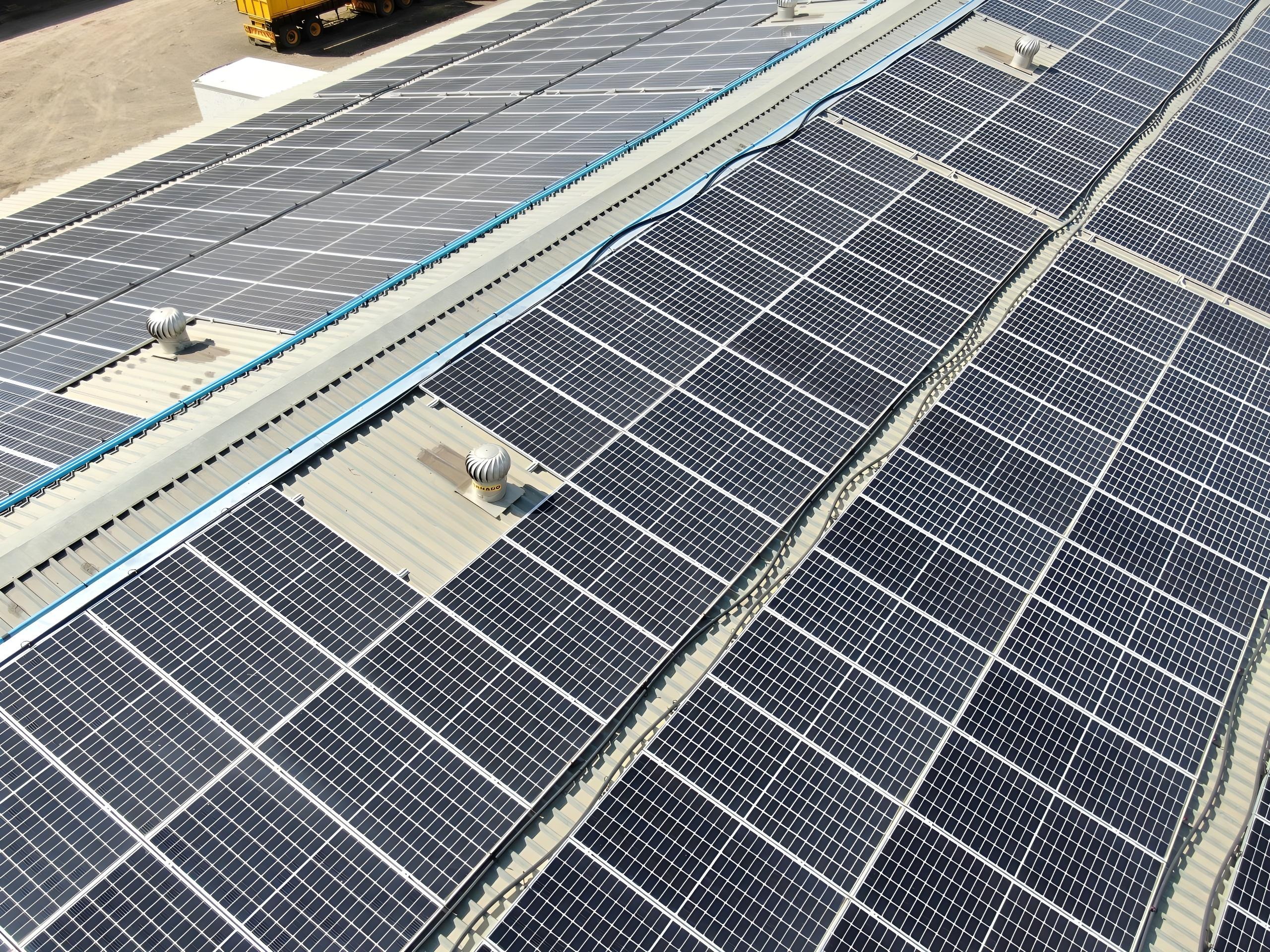
Candi Solar designed and financed a 1.5 MWp solar installation through its Performance-Linked Instalment Sale (PLIS) model.
In simple terms, Bracken Timbers did not need to make a heavy upfront investment or take on the operational risk of managing a solar plant.
Instead, the business pays for the energy the system generates, while Candi takes responsibility for its performance, maintenance and long-term optimisation.
That means the Bracken Timbers team can remain focused on what it does best: producing quality structural timber - while its solar system gets on with producing reliable, more affordable energy.
The impact
Production Keeps Moving
The solar system was integrated with Bracken Timbers' existing backup generators, helping the sawmill continue operating for full nine-hour shifts during load shedding.
So, while grid interruptions continue to bring production to a halt for many manufacturers, Bracken Timbers can keep its mill running, stay on schedule and continue fulfilling customer orders.
Most importantly, this increased energy stability helps protect consistent employment for more than 1,500 people.
“
The partnership has delivered exactly what was promised. As the solar system operates over time, the financial and operational benefits will only continue to grow.
George Johnson,
Director, Sawmill & Charcoal,
Bracken Timbers





Thinking about solar for your business?
Get a free, tailored assessment of what solar could save you — with zero upfront cost and performance risk carried by us.
Book a free consultation
.png)