Rooftop Solar for Business
Key Considerations for Business
Before making the executive decision to switch over to rooftop solar for your business, there are some factors to consider. Ensuring that the roof is well-suited for solar panel installations is a crucial first step
Rooftop Type
Solar roof-mounts can be installed on a wide array of roofs whether tilted (sloped) or flat, however, the designs to accommodate each vary significantly. It is important to bring in a team of experts to assess the roof ahead of making any commitments.
Rooftop Size
The size of the rooftop can limit the generation capacity of the business’s solar power system. A large area does not necessarily mean a greater capacity as other factors such as shading and the direction in which the roof faces can render parts of it unusable.
Surrounding Environment
A main factor in optimising a roof-mounted solar energy system is taking into account the surrounding environment. The amount of shade the roof receives may be something that you have no control over (such as tall buildings that block out the sun for extended periods of time). If trees create shade, it is important to consider the costs and aesthetic impact of having the infringing trees removed.

Business Energy Usage
Depending on the generation capacity required from the solar installation, you will need to calculate whether the roof has enough space to fulfill the business’s demand. If the space does not match demand requirements, it is important to determine how the limited generation capacity will be supplemented.
Usage Rights
Unless the business owns the property, the business will have to obtain permission to use the roof for the solar energy installation. This may take time and necessitate the drafting of a good proposal to the owner, often with some negotiation at play regarding the distribution of costs.
Roof Mounting Structure Required
There are a variety of roof-mounts that can be utilised to install solar panels on the business rooftop. The choice of roof-mount will depend on the roof sheeting type and the weight capacity that it can sustain. It is always advisable to follow a professional opinion on the type of roof-mount that will be used to implement rooftop solar solutions. In some cases a reconfiguration or renovation of the roof may be required to install the correct mount.
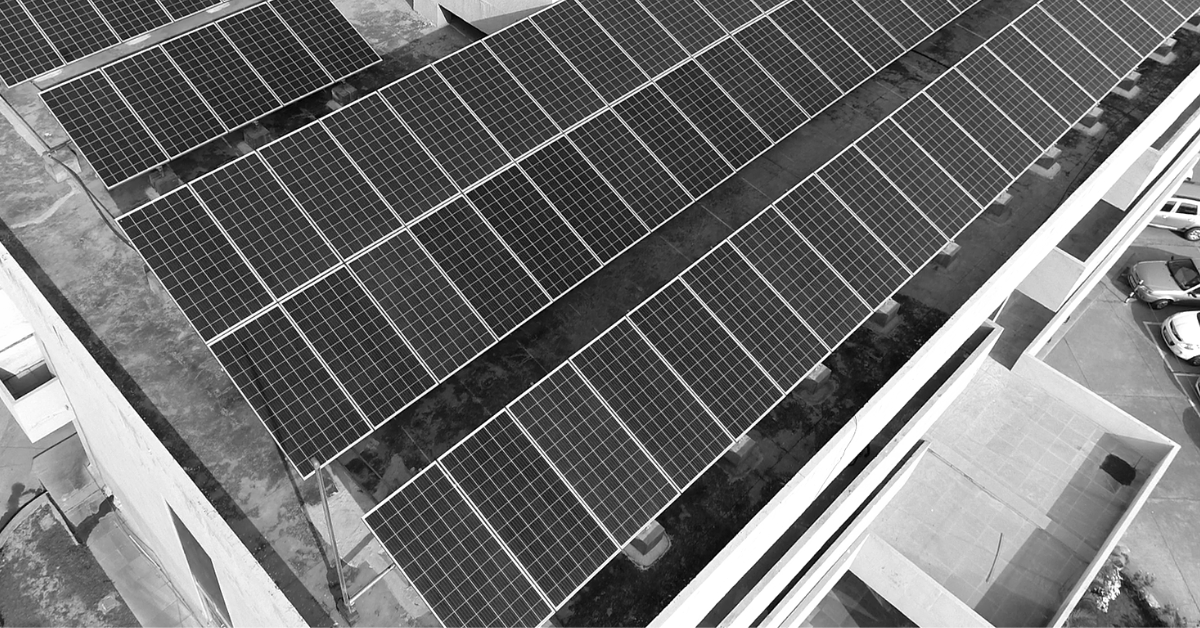
Which Mounting Structure Should My Business Install?
Rooftop solar can be installed on a variety of rooftops, which makes it a common solution for most business owners’ renewable energy requirements. While the solar energy is converted by the solar panels, the roof-mounts play the biggest role in the configuration of the installation.
Mounting Structures For Sloped Roofs
Most sloped roofs make use of railed, railless, or shared rail systems, with non-penetrative options becoming increasingly popular.
Rail systems require rails to be fixed to the roof with screws and bolts. This may mean modifications must be made to the roof. Rail-less systems bypass the need for solar panel rails and fix the solar panel with screws and bolts directly onto existing systems. Shared rail systems are a variation on the rail system where two sets of panels share a common middle rail. There are a variety of pros and cons for both rail and rail-less PV mounting systems.
Non-penetrative systems can often get around the problem of replacing or modifying the roof and cut down on installation time, but require a strong underlying structure to make it viable.
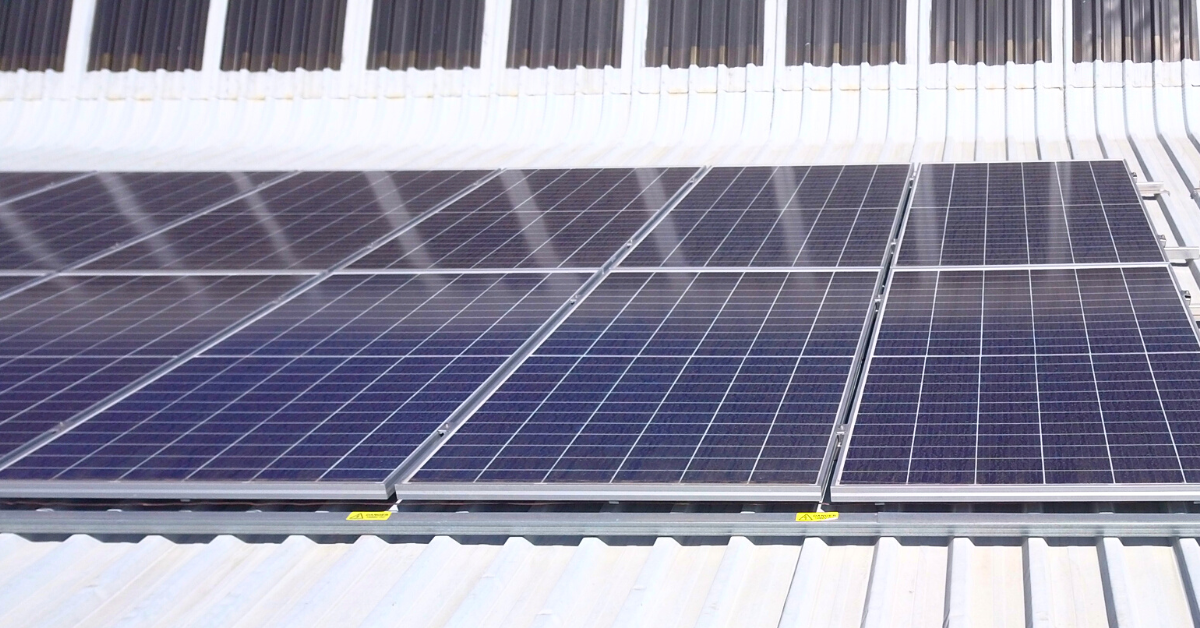
Mounting Structure For Flat Surface Roofs
Roof-mounts are often ballasted and fixed to flat roofs. The load capacity of these roofs may, however, require penetration into the underlying structure to stabilise the mounting system. These roofs do offer more versatility, though, as it opens up the possibility of mounting systems that can be dynamically tilted to capture more sunlight depending on the time of day and year.
While rooftop solar is often an obvious choice when looking to upgrade to a solar system, it is evident that there are many factors that merit careful consideration. If you have questions as to what will be the best match for your business, Candi solar can advise you and help you assess your options
The challenge


Lower electricity costs
In 2025 alone, the system delivered:

R622,159
in electricity savings

1.4 GWH
of clean energy generated

1,800 TONNES
of CO₂ emissions avoided
The result is not only a more resilient operation, but a more cost-efficient and sustainable one too
One Successful Phase Deserves Another
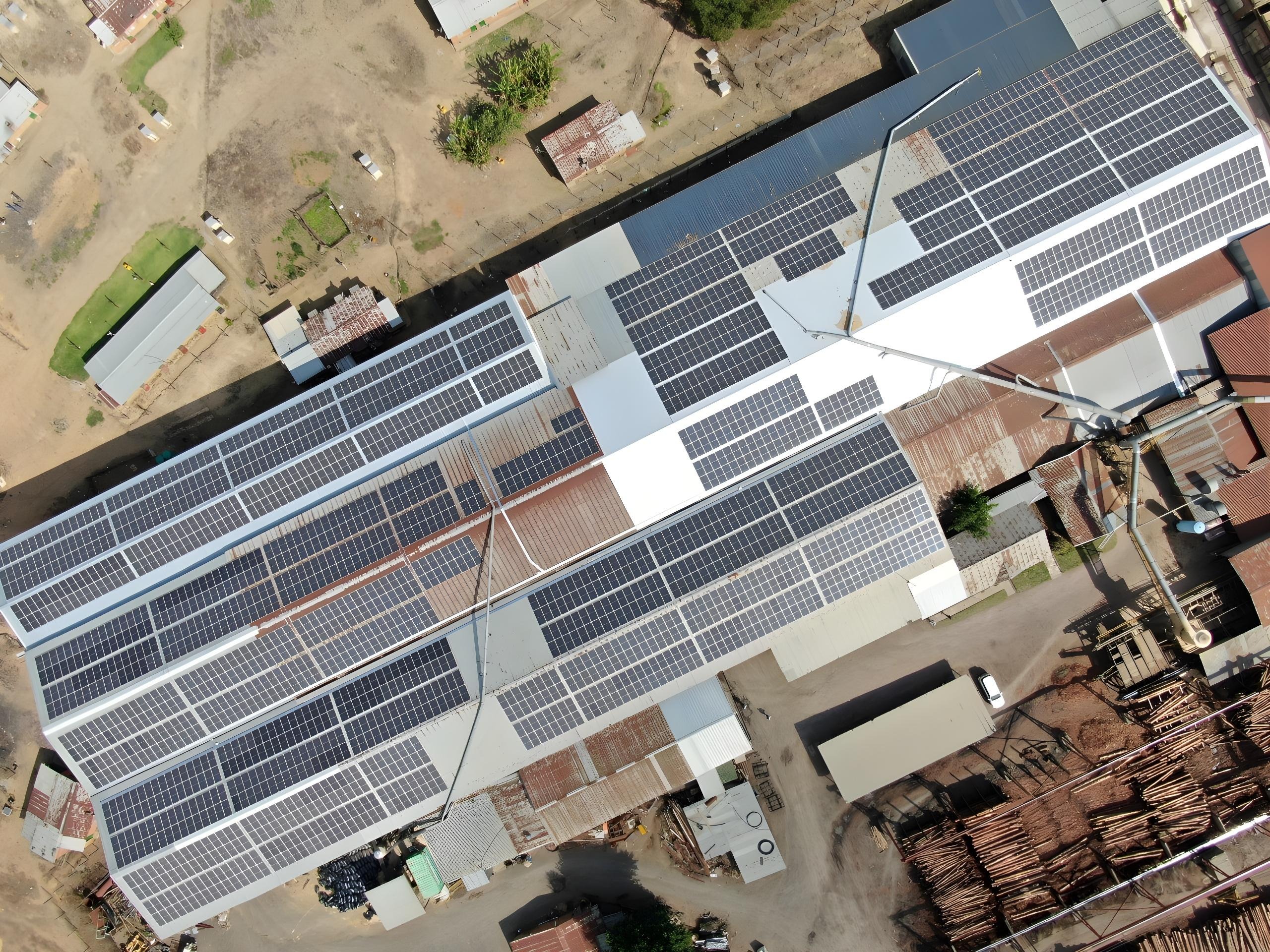
The performance of the first phase gave Bracken Timbers the confidence to go further.
Following its success, the company approved an additional 540 kWp expansion. Once complete, the expanded system is expected to increase annual electricity savings to approximately R1.1 million, while covering even more of the sawmill's daytime energy needs.
Every time the power went out, production slowed. Delivery schedules became harder to maintain, customer commitments came under pressure, and the disruption extended far beyond the factory floor - to suppliers, customers and the company's 1,500-strong workforce.
The team explored generating electricity using its own wood waste, including sawdust and bark. While it was technically possible, building, operating and maintaining an energy plant would require specialist expertise outside its core business.
Bracken Timbers knew what it needed: a reliable energy solution and an experienced partner to make it happen.
The solution
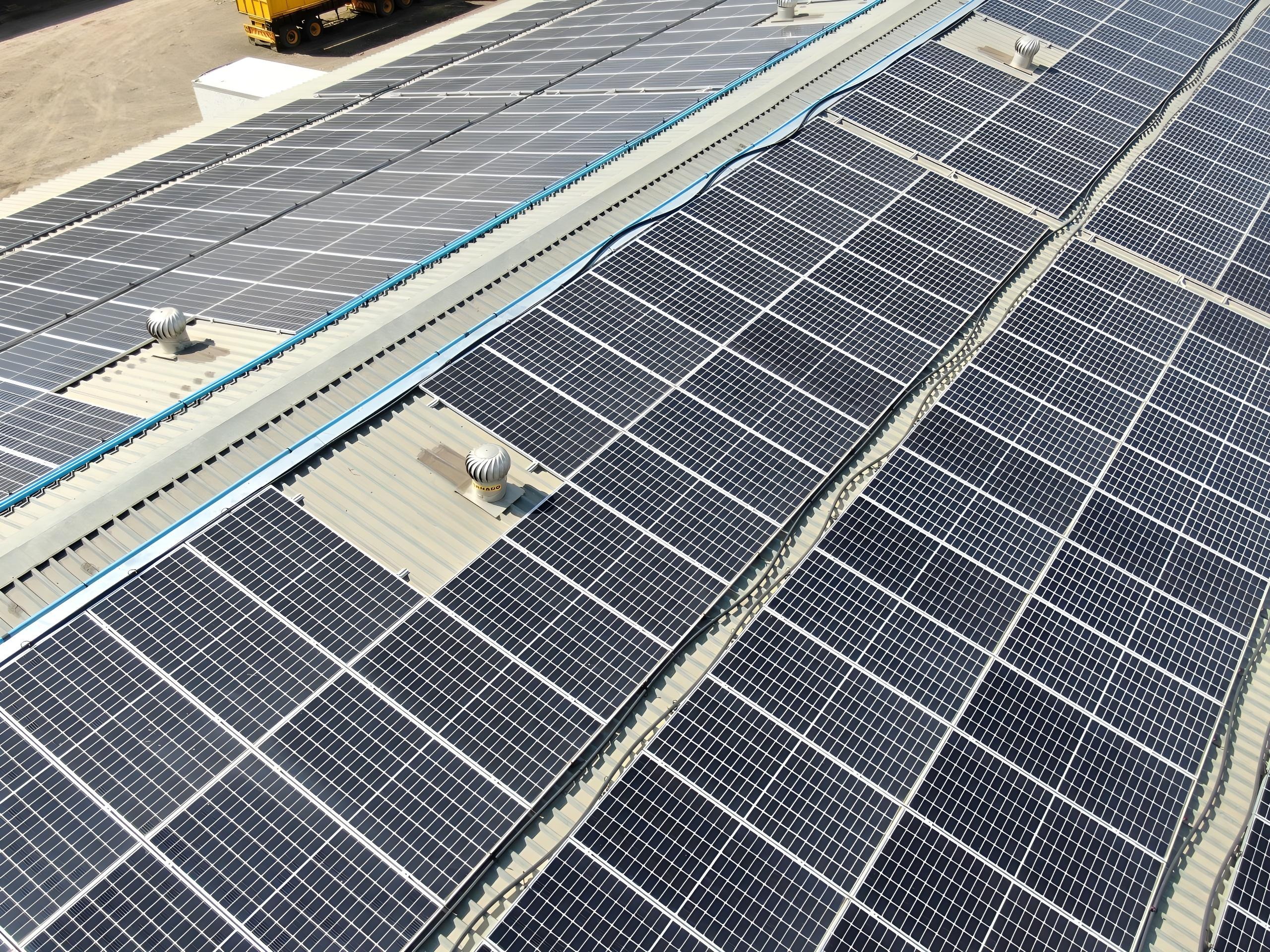
Candi Solar designed and financed a 1.5 MWp solar installation through its Performance-Linked Instalment Sale (PLIS) model.
In simple terms, Bracken Timbers did not need to make a heavy upfront investment or take on the operational risk of managing a solar plant.
Instead, the business pays for the energy the system generates, while Candi takes responsibility for its performance, maintenance and long-term optimisation.
That means the Bracken Timbers team can remain focused on what it does best: producing quality structural timber - while its solar system gets on with producing reliable, more affordable energy.
The impact
Production Keeps Moving
The solar system was integrated with Bracken Timbers' existing backup generators, helping the sawmill continue operating for full nine-hour shifts during load shedding.
So, while grid interruptions continue to bring production to a halt for many manufacturers, Bracken Timbers can keep its mill running, stay on schedule and continue fulfilling customer orders.
Most importantly, this increased energy stability helps protect consistent employment for more than 1,500 people.
“
The partnership has delivered exactly what was promised. As the solar system operates over time, the financial and operational benefits will only continue to grow.
George Johnson,
Director, Sawmill & Charcoal,
Bracken Timbers
Thinking about solar for your business?
Get a free, tailored assessment of what solar could save you — with zero upfront cost and performance risk carried by us.
Book a free consultation.png)