Java Print
The Company
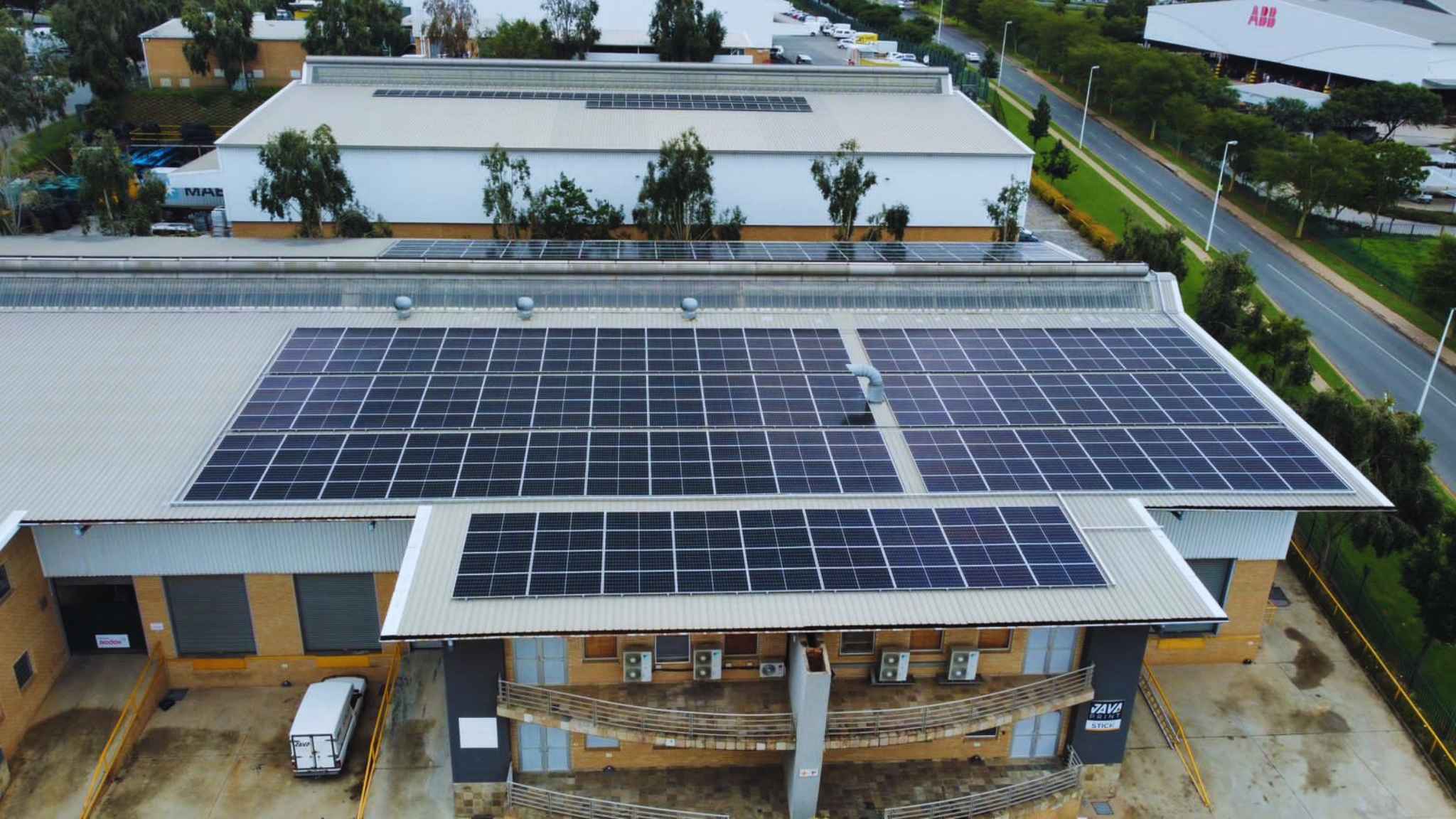
Java Print is a specialist printer based in Johannesburg, South Africa focused on packaging. With around 2,600m 2 of factory space in their facility, they make use of a range of advanced equipment to meet the needs of local and global customers. When working as a service provider in the consumer goods industry, maintaining consistent production costs is vital, and as such the company is highly sensitive to potential disruptions. These need to be mitigated and managed as far as possible to ensure business continuity and therefore favourable margins and profitability.
The Challenge
Like many other businesses in South Africa, ongoing load shedding (scheduled power outages) was putting strain on Java’s operations. With unreliable energy supply causing costly work stoppages due to ruined print runs, as well as possible damage to machinery that is not shut down correctly, the company was in need of an alternative solution to help them become independent of the national grid. The usual backup of diesel generators was not only prohibitively costly, but the fluctuating fuel prices and constantly-changing schedule of outages meant that Java was also unable to accurately account for their running costs in advance. The potential impact on their cost-equation was therefore worrying, leading them to investigate solar opportunities.
The Solutions
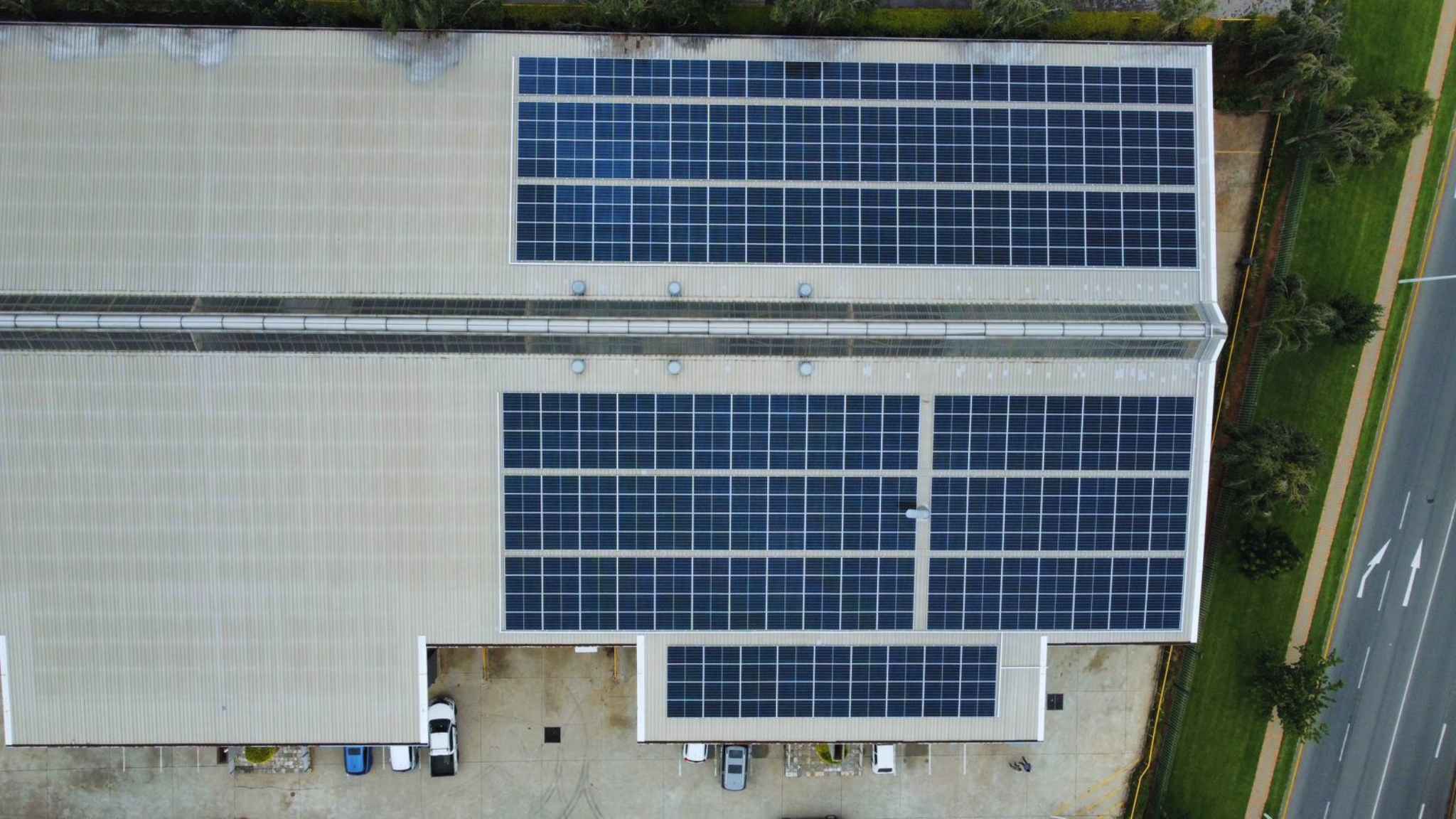
After consulting with the customer, Candi recommended 240 kWp of solar PV on the roof of their facility, along with hybrid inverters and lithium battery storage. As Conrad Coertze, Solutions Lead at Candi South Africa explained, the customer requested a phased approach that fulfilled their needs at the present and also allowed them to expand further based on the load shedding outlook in future. “The customer requested we maximise their roof coverage, so we installed more solar than they require right now, along with a battery that allows for at least two hours of backup, which can then be added to later on,” he explained.
Alongside the system itself, Candi also installed all the required infrastructure to ensure safe working practices when accessing and maintaining it. The solution incorporates the comprehensive asset management technology standard to Candi’s systems, and in this case, the customer requested that additional monitoring technology was included in the setup so that they could be proactive in controlling their ongoing usage. As Thaine Sassman, Asset Management Lead at Candi South Africa notes, “We’re already collecting all of the data around power use and generation in all our systems, so this is a great example of how you can make that work for your business when you take ownership of it.”
The Results
The system has consistently delivered the energy required for Java to keep their operation running smoothly. As Lulama Mabaso, Asset Management Engineer at Candi South Africa outlined, “We understand the importance of understanding the customer's operations and through our Candi asset management monitoring and maintenance systems, we can drive optimal system performance and availability.” In this case, that’s something that benefits the customer in more ways than one. By closely monitoring their system’s performance, Java Print is able to track their power usage and manage their workflow accordingly. The system now gives them ample warning to start the required 30 minute powering down process needed to prevent the damage that a hard stop can cause to the UV lights in their equipment.
Additionally, they found that they are still able to outperform their competitors because of the shared-value relationship with Candi, which enabled them to access solar technology without a large upfront investment. The model means that their baseline costs remain consistent and they are able to reap the benefits from day one. They are also no longer impacted by the variable pricing of generator fuel, all of which combined ensures a stable and predictable cost of sale for their customers.
Recognition
As the Owner from Java Print explains, the benefits to the business have been clear, and they are excited by the possibilities it enables. “Our competitors, who are still dependent on generators, are experiencing difficulties, which highlights the importance of our decision to make the switch. Not only does this decision protect our margins, but it also benefits our customers significantly. There's no denying that the Candi system plays a pivotal role in delivering a consistently reliable and cost-effective service.” - Mark Groves, Owner of Java Print
This case study is a classic example of the benefits of working with a performance-based partner like Candi. Our approach ensures a system customised exactly to a customer’s needs, resulting in a future-proof solution, guaranteed reduction in costs and uninterrupted, optimised power. To find out more about how Candi could help you maximise your solar potential, get in touch with our team or get an online quote for your business.
The challenge


Lower electricity costs
In 2025 alone, the system delivered:

R622,159
in electricity savings

1.4 GWH
of clean energy generated

1,800 TONNES
of CO₂ emissions avoided
The result is not only a more resilient operation, but a more cost-efficient and sustainable one too
One Successful Phase Deserves Another
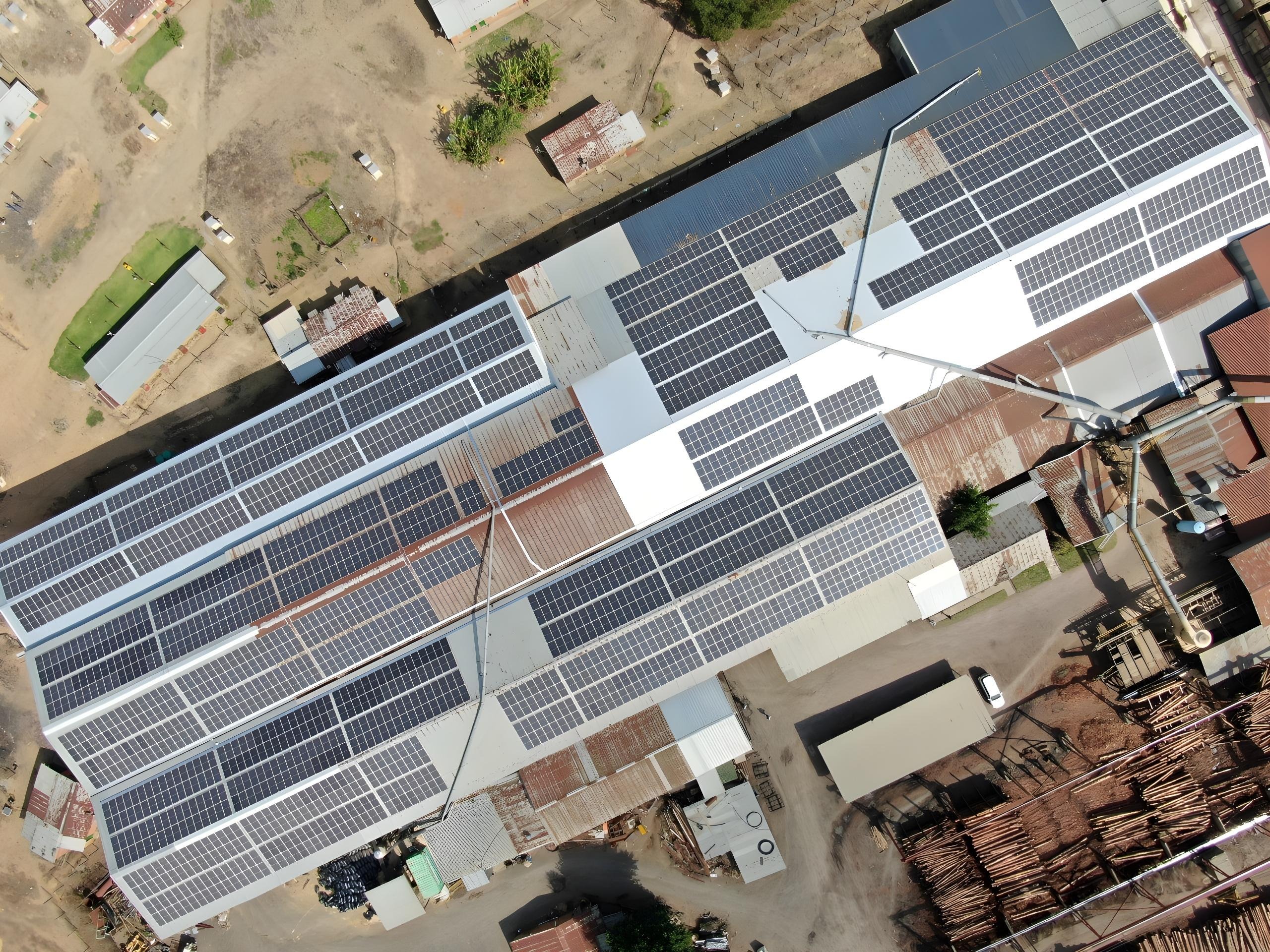
The performance of the first phase gave Bracken Timbers the confidence to go further.
Following its success, the company approved an additional 540 kWp expansion. Once complete, the expanded system is expected to increase annual electricity savings to approximately R1.1 million, while covering even more of the sawmill's daytime energy needs.
Every time the power went out, production slowed. Delivery schedules became harder to maintain, customer commitments came under pressure, and the disruption extended far beyond the factory floor - to suppliers, customers and the company's 1,500-strong workforce.
The team explored generating electricity using its own wood waste, including sawdust and bark. While it was technically possible, building, operating and maintaining an energy plant would require specialist expertise outside its core business.
Bracken Timbers knew what it needed: a reliable energy solution and an experienced partner to make it happen.
The solution
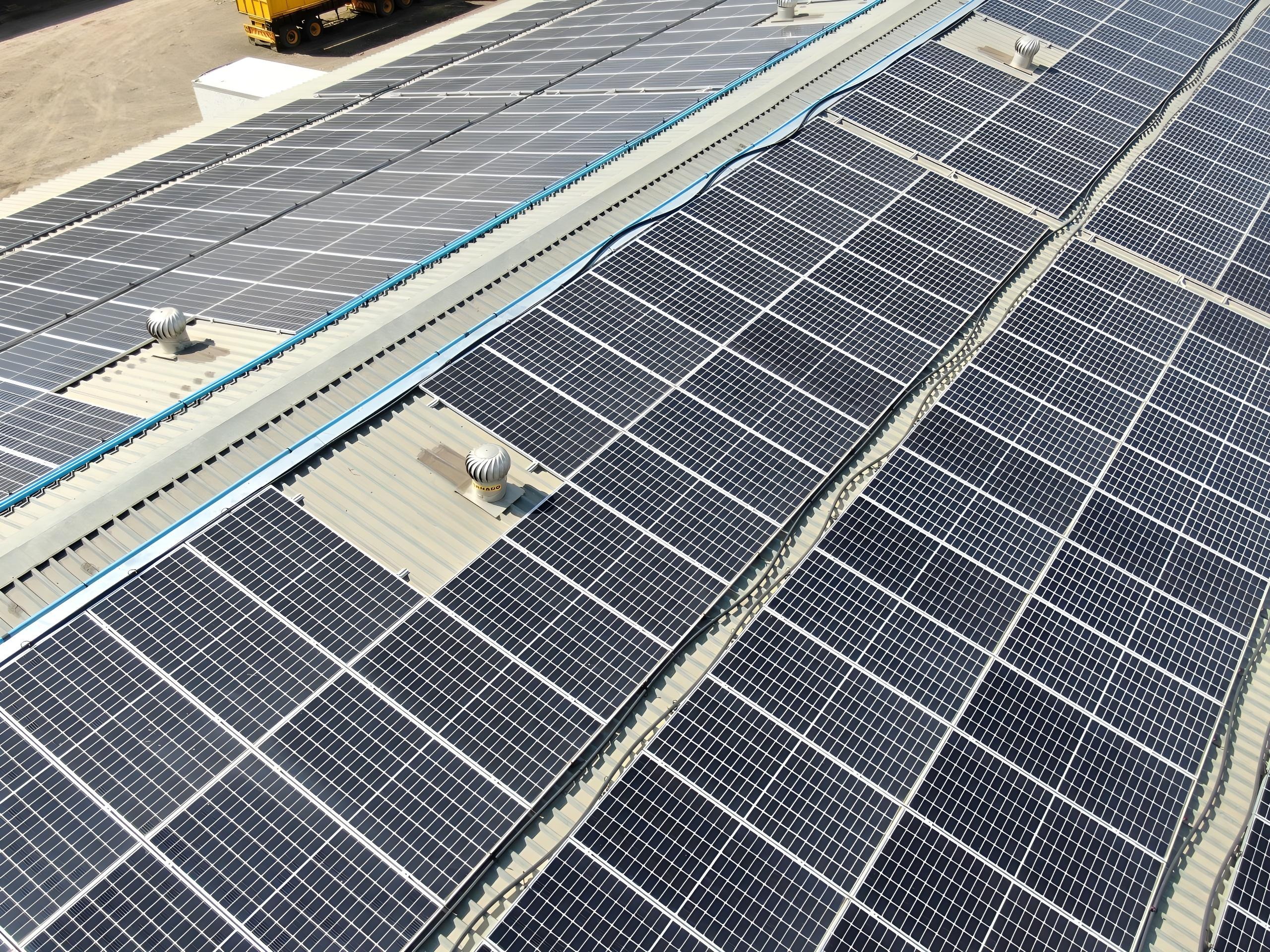
Candi Solar designed and financed a 1.5 MWp solar installation through its Performance-Linked Instalment Sale (PLIS) model.
In simple terms, Bracken Timbers did not need to make a heavy upfront investment or take on the operational risk of managing a solar plant.
Instead, the business pays for the energy the system generates, while Candi takes responsibility for its performance, maintenance and long-term optimisation.
That means the Bracken Timbers team can remain focused on what it does best: producing quality structural timber - while its solar system gets on with producing reliable, more affordable energy.
The impact
Production Keeps Moving
The solar system was integrated with Bracken Timbers' existing backup generators, helping the sawmill continue operating for full nine-hour shifts during load shedding.
So, while grid interruptions continue to bring production to a halt for many manufacturers, Bracken Timbers can keep its mill running, stay on schedule and continue fulfilling customer orders.
Most importantly, this increased energy stability helps protect consistent employment for more than 1,500 people.
“
The partnership has delivered exactly what was promised. As the solar system operates over time, the financial and operational benefits will only continue to grow.
George Johnson,
Director, Sawmill & Charcoal,
Bracken Timbers
Thinking about solar for your business?
Get a free, tailored assessment of what solar could save you — with zero upfront cost and performance risk carried by us.
Book a free consultation.png)