Clean Energy
Clean energy is a revolutionising force for the future of power production. It presents exciting possibilities for economic stimulation, the securing of many existing businesses, as well as environmental protection.
What is clean energy?
Clean energy is energy that is produced while emitting zero or, at worst, negligible amounts of pollution, greenhouse gases, or chemicals. It also encompasses energy that is saved through efficient measures.
When it comes to energy, the term ‘clean’ is often interchanged with ‘renewable’ and ‘green’. While these have similarities, there are subtle distinctions that exist between them. For businesses, it is possible to find an overlap that will result in a low negative environmental impact as well as a sustainable option for future business operations.
Renewable energy
Renewable energy is generated from natural resources that can replenish themselves within the average human lifespan. The production of renewable energy is reliant on what is available at a particular time, i.e. sunlight or wind cannot be produced at a higher rate than at which they already exist.
Depending on the process deployed to generate electricity using renewable sources, this form of energy can have a measurable ecological impact. The production of hydroelectric power, for example, can significantly disturb the natural ecosystem it flows into, while simultaneously emitting carbon dioxide. Thus, renewable energy is not always clean.
Green energy
Green energy draws on the renewables with the lowest environmental footprint to generate electricity. This allows for the production of energy that will meet our current needs while not compromising the future generations to come. In some cases, such as biomass energy, where natural organisms are burned to produce heat or electricity, there is a release of greenhouse gases, partially excluding this category from being entirely clean.
Clean energy
Unlike renewable or green energy, clean energy does not produce any pollution or emissions. Most sources of clean energy overlap with renewables, except for nuclear energy, which is considered the cleanest non-renewable energy source.
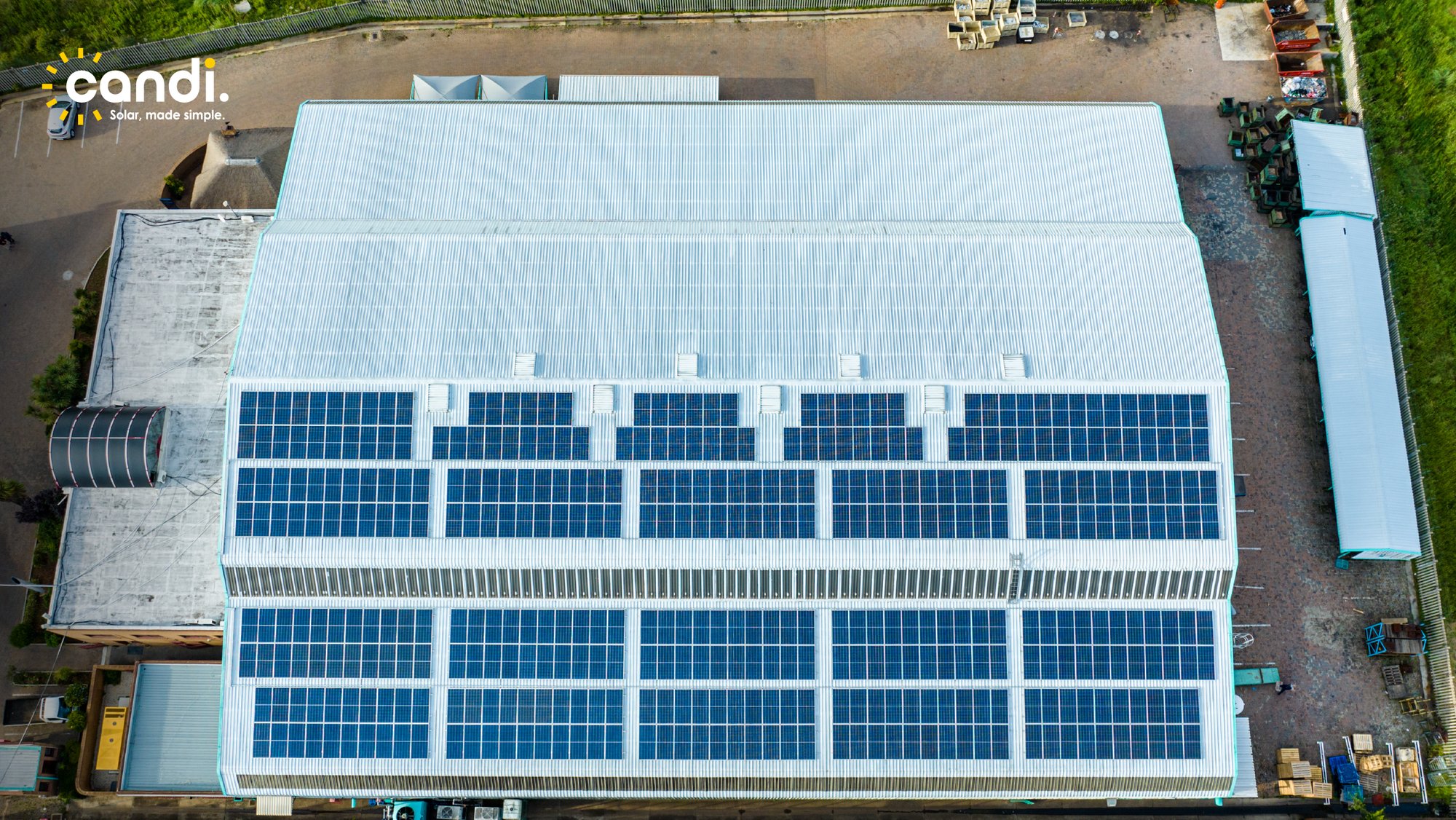
Candi specialises in solar energy, which is situated in the overlap between renewable, green, and clean energy. This makes it the safest, most environmentally friendly and sustainable power choice for conscientious businesses.
Types of clean energy
Solar energy
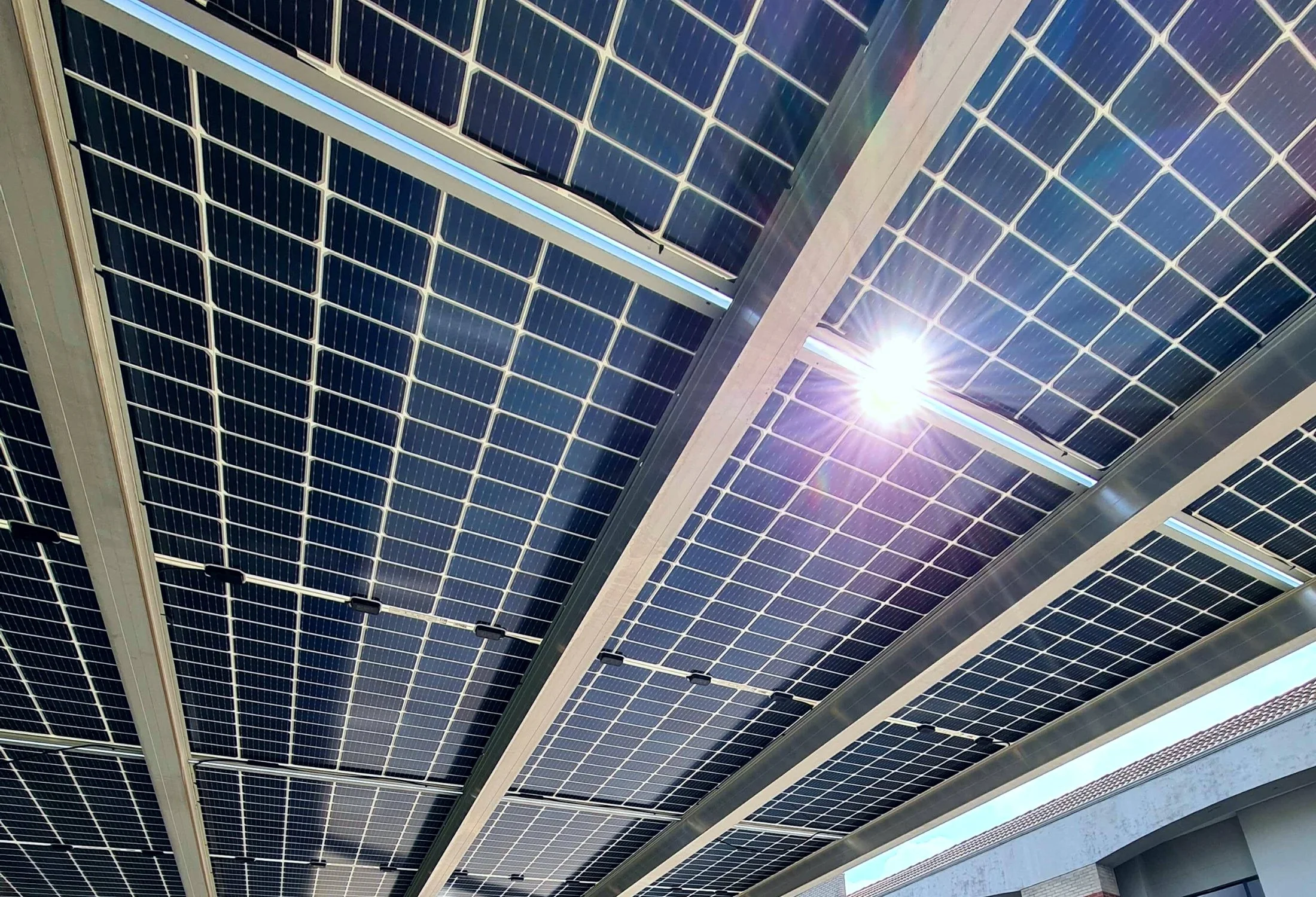
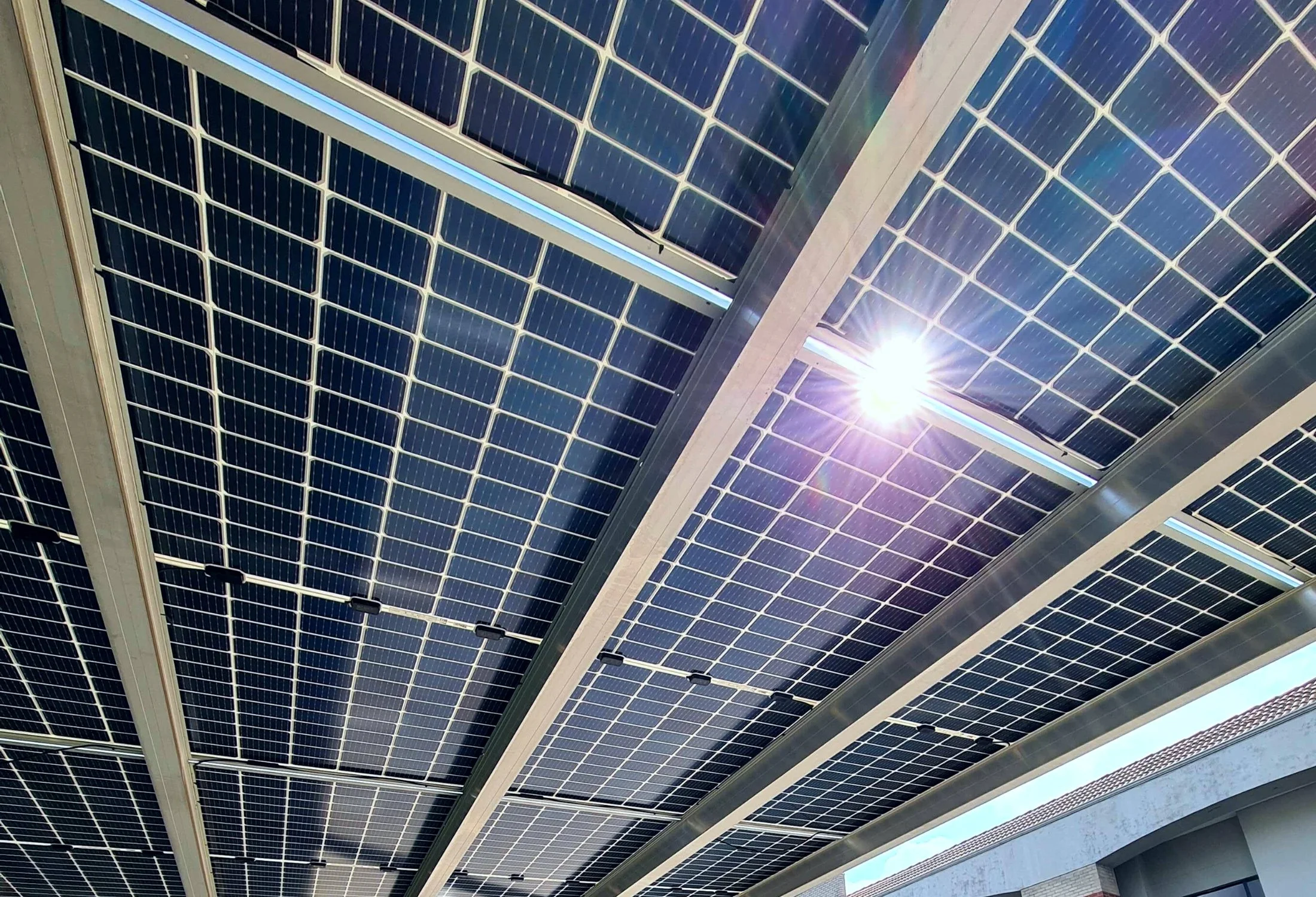
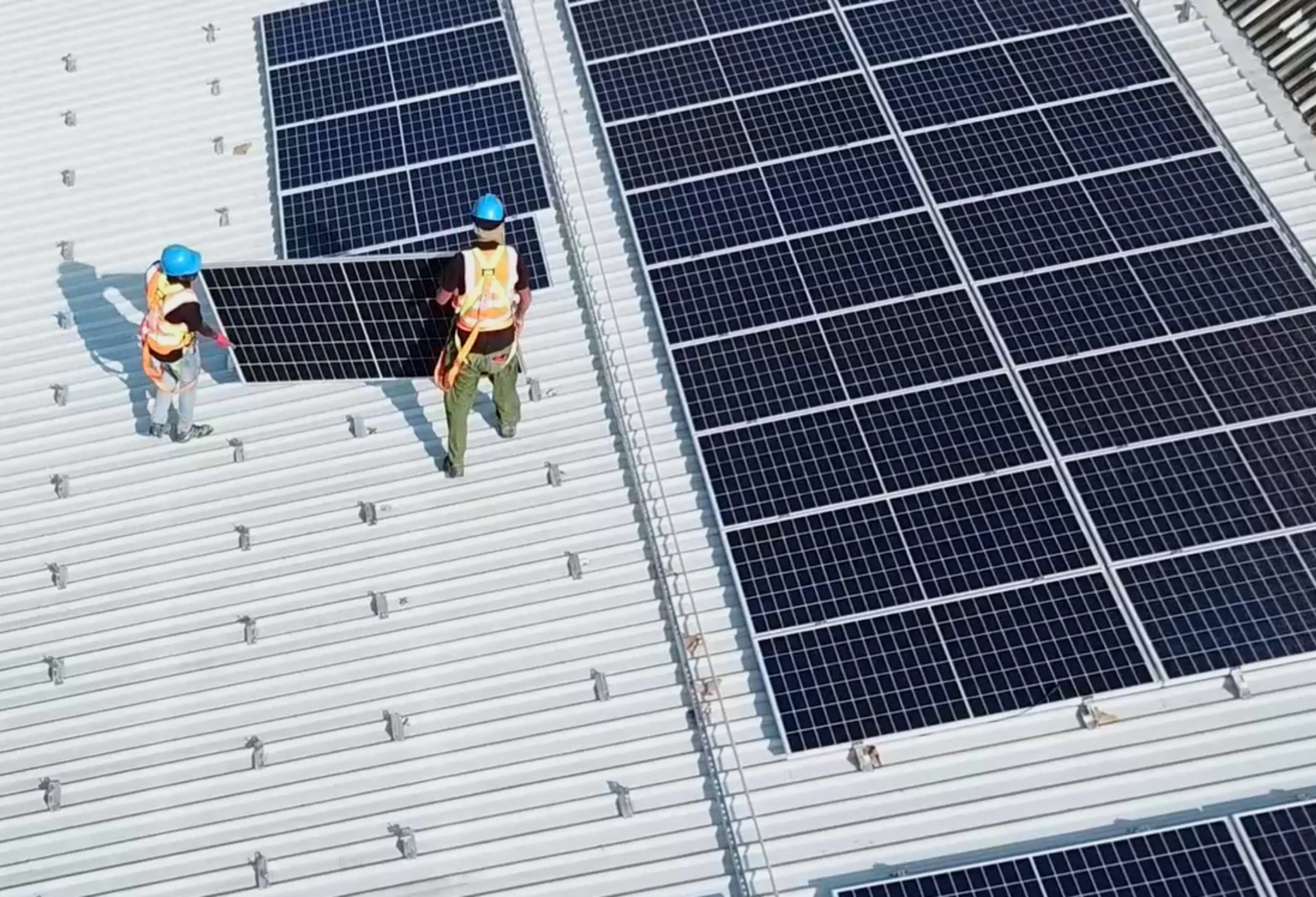
Sunlight is abundant and a free energy source. It can be converted to energy using the photovoltaic effect and can be stored in batteries. Photovoltaic cells can be installed on most properties, but do require sufficient hours of sun and preferably no shading interference, to be considered feasible.
Wind energy
Harnessing the power of the wind with wind turbines is an effective way of producing clean energy. Wind turbines are not suitable for all property types, however, somewhat limiting their reach as well as requires extensive operation and maintenance protocols
Tidal energy
The power of ocean waves can be converted to electricity. Waves provide a constantly fluctuating supply of energy. , but this is still ultimately a reliable method to employ, due to the predictability of wave characteristics.
Geothermal energy
The centre of the earth radiates natural heat, which can be converted to usable energy. Geothermal power plants are located on deposits, which can either be hot water deposits, or dry heat from rocks.
Advantages of clean energy
Clean energy offers a host of benefits through its production.
- By relying on renewable resources and being pollution-free, clean energy lowers the global negative environmental impact.
- It is safe, there are no harmful effects to humans or the Earth’s natural surroundings. It merely uses what the Earth is already producing and receiving.
- Clean energy opens the door to independence from imported and non-renewable fuels, which in turn helps to avoid the fluctuating transport and extraction costs which are usually calculated into the price of non-renewable energy sources. This makes it a cost-efficient option that will result in long-term savings.
Clean energy and business
Clean energy offers a future-thinking approach to the longevity of businesses in a rapidly changing world. Businesses have the opportunity to reduce their carbon footprint while contributing to the economy by supporting the jobs clean energy providers create.
Clean energy offers a high return on investment and reduces overheads as soon as the system is running.
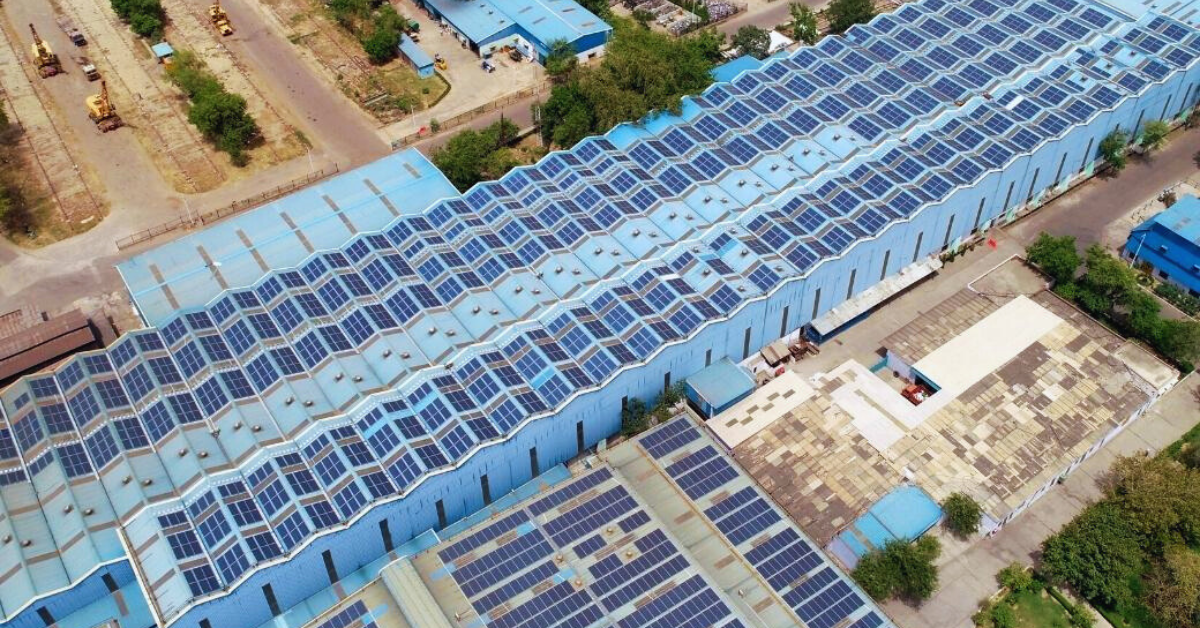
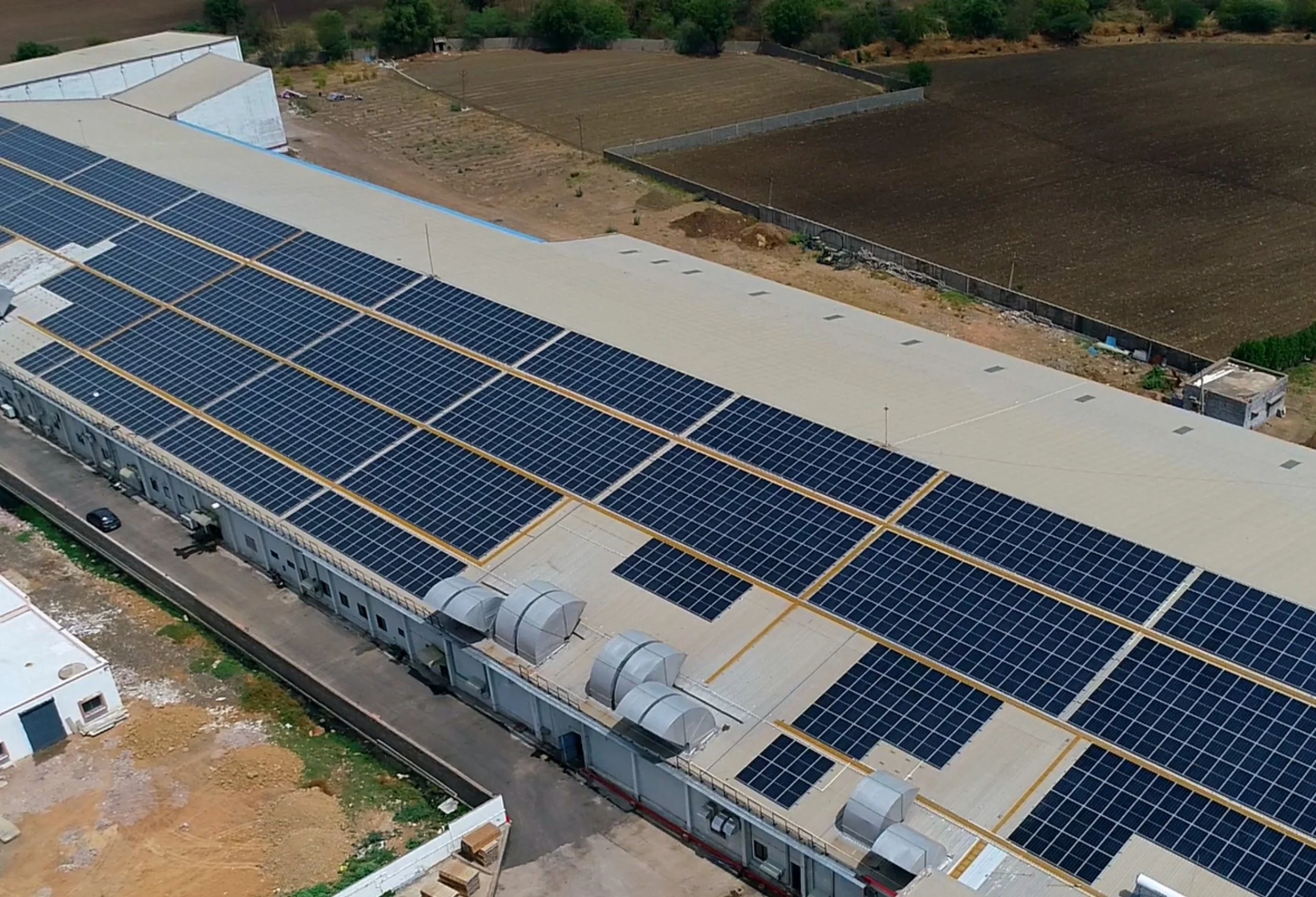
While each clean energy source is valuable, solar energy is particularly beneficial to businesses. Its versatile design allows it to be suited to almost any size and form of commercial or industrial building. In addition, batteries are a feasible on-site energy storage option, supporting the continuation of operations at night or during low-production days.
With an array of financial contract options, candi offers commercial and industrial businesses the opportunity to switch to clean, solar-powered energy simply and risk-free.
Benefits for the economy
By profiting individual businesses, clean energy has a positive impact on local and global economies. The production of clean energy will create employment opportunities in the respective development, manufacture, installation, and maintenance departments.
Relying on off-grid energy also allows businesses to maintain their production levels during unexpected or planned power outages, ensuring consistent levels of outputs. A consistent power source may even lead to the possibility of employment and production growth, further boosting the economy.
The future of clean energy
Clean energy demonstrates a promising presence in the future. Its adoption has been massive in recent years and is only predicted to grow, with installations reaching a record high in 2021.
As the global energy demand continues to fast outpace our current stores of non-renewable energy, the market for clean energy is secured. Its implementation is becoming increasingly urgent and ultimately, inevitable.
Conclusion
By linking clean, green, and renewable energy, solar power presents a complete package to business owners looking to reduce their ecological footprint.
candi makes solar simple, by proposing an agreement that allows you to free up capital while experiencing the long-term benefits of a sustainable energy source. To find out how we can assist your business in making the shift, contact us today.
The challenge
Lower electricity costs
In 2025 alone, the system delivered:
R622,159
in electricity savings
1.4 GWH
of clean energy generated

1,800 TONNES
of CO₂ emissions avoided
The result is not only a more resilient operation, but a more cost-efficient and sustainable one too
One Successful Phase Deserves Another
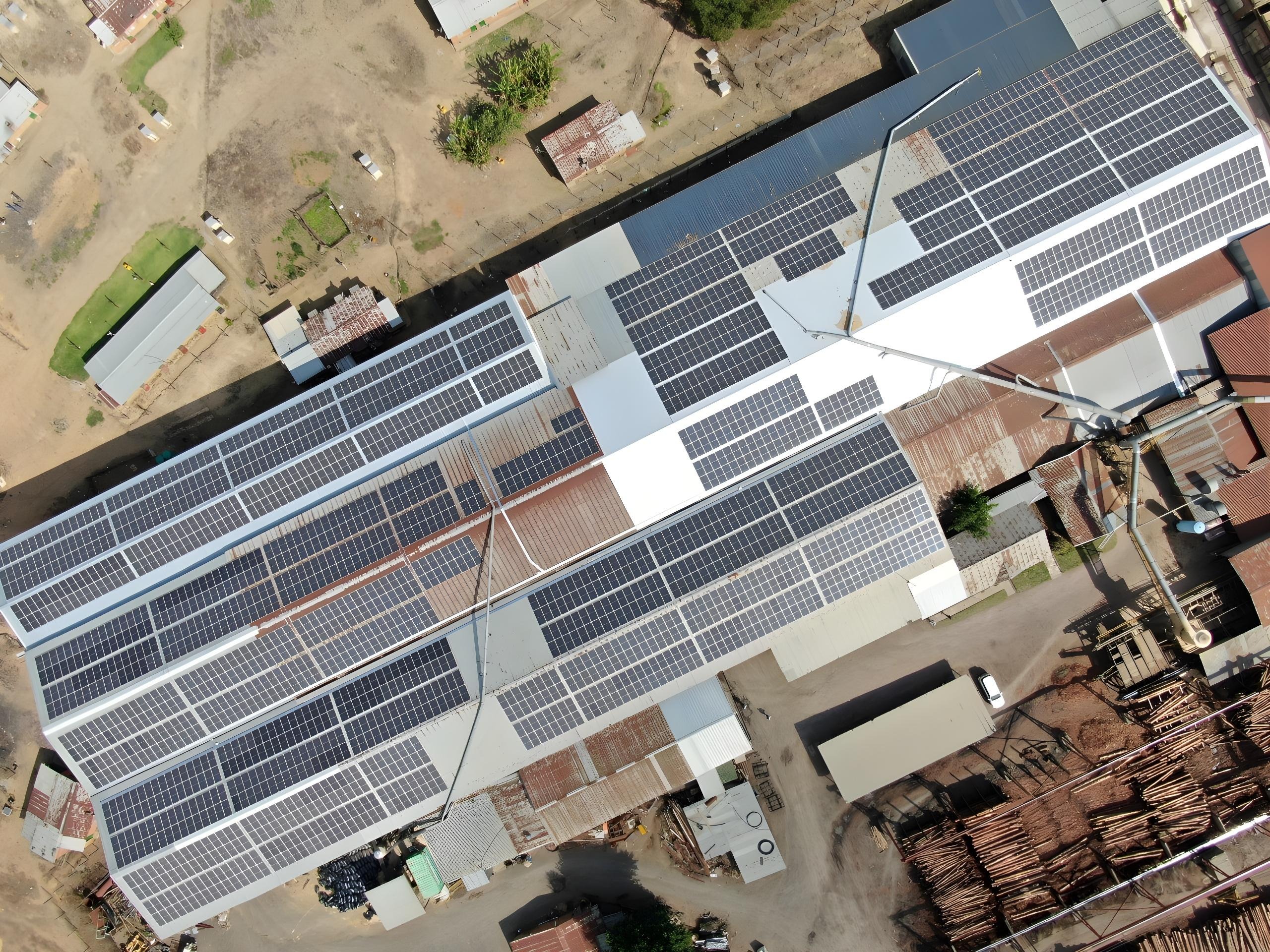
The performance of the first phase gave Bracken Timbers the confidence to go further.
Following its success, the company approved an additional 540 kWp expansion. Once complete, the expanded system is expected to increase annual electricity savings to approximately R1.1 million, while covering even more of the sawmill's daytime energy needs.
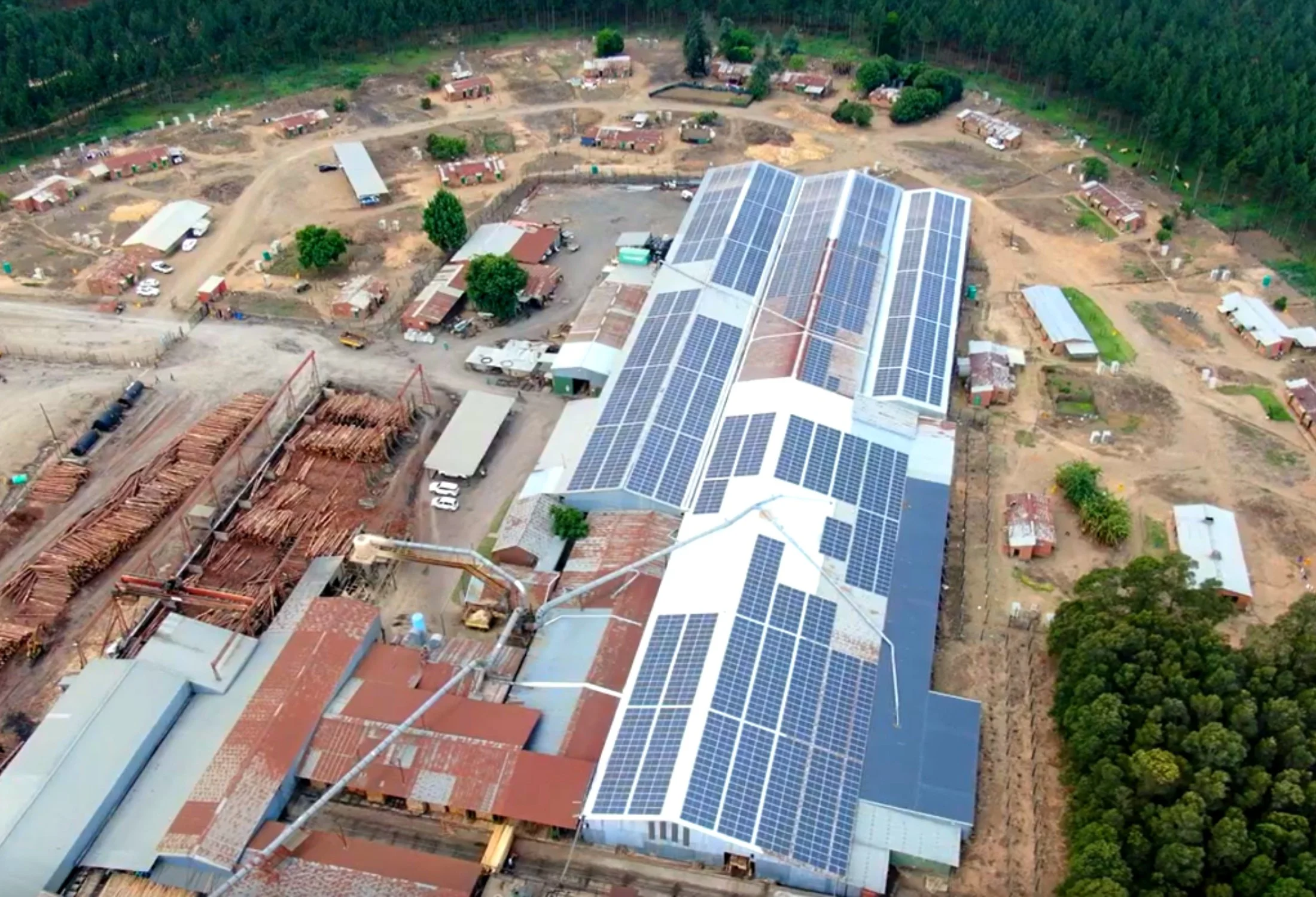
Every time the power went out, production slowed. Delivery schedules became harder to maintain, customer commitments came under pressure, and the disruption extended far beyond the factory floor - to suppliers, customers and the company's 1,500-strong workforce.
The team explored generating electricity using its own wood waste, including sawdust and bark. While it was technically possible, building, operating and maintaining an energy plant would require specialist expertise outside its core business.
Bracken Timbers knew what it needed: a reliable energy solution and an experienced partner to make it happen.
The solution
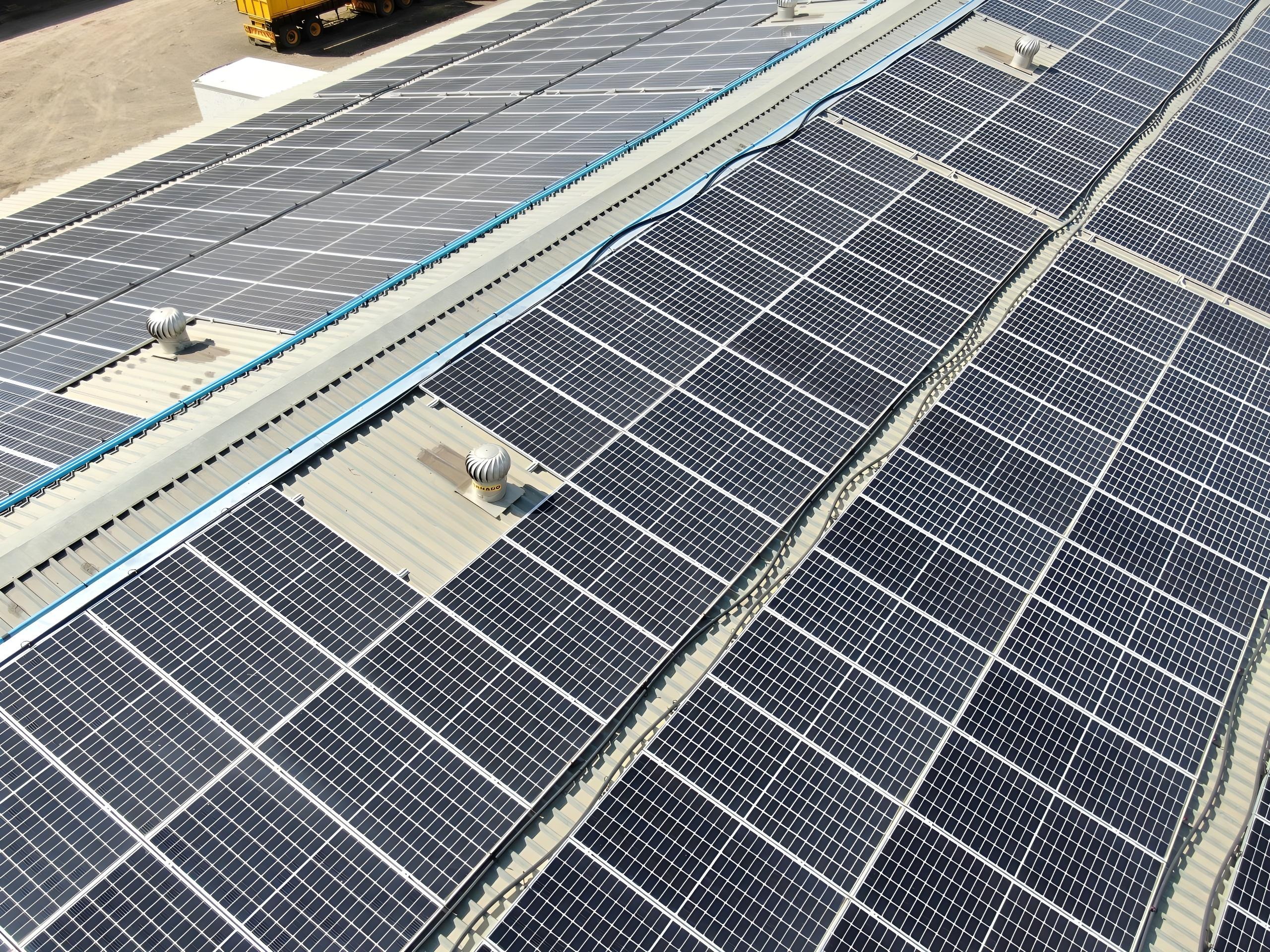
Candi Solar designed and financed a 1.5 MWp solar installation through its Performance-Linked Instalment Sale (PLIS) model.
In simple terms, Bracken Timbers did not need to make a heavy upfront investment or take on the operational risk of managing a solar plant.
Instead, the business pays for the energy the system generates, while Candi takes responsibility for its performance, maintenance and long-term optimisation.
That means the Bracken Timbers team can remain focused on what it does best: producing quality structural timber - while its solar system gets on with producing reliable, more affordable energy.
The impact
Production Keeps Moving
The solar system was integrated with Bracken Timbers' existing backup generators, helping the sawmill continue operating for full nine-hour shifts during load shedding.
So, while grid interruptions continue to bring production to a halt for many manufacturers, Bracken Timbers can keep its mill running, stay on schedule and continue fulfilling customer orders.
Most importantly, this increased energy stability helps protect consistent employment for more than 1,500 people.
“
The partnership has delivered exactly what was promised. As the solar system operates over time, the financial and operational benefits will only continue to grow.
George Johnson,
Director, Sawmill & Charcoal,
Bracken Timbers
Thinking about solar for your business?
Get a free, tailored assessment of what solar could save you — with zero upfront cost and performance risk carried by us.
Book a free consultation.png)